
Our Guide to the Best Board Games for 3 to 5 Year Olds
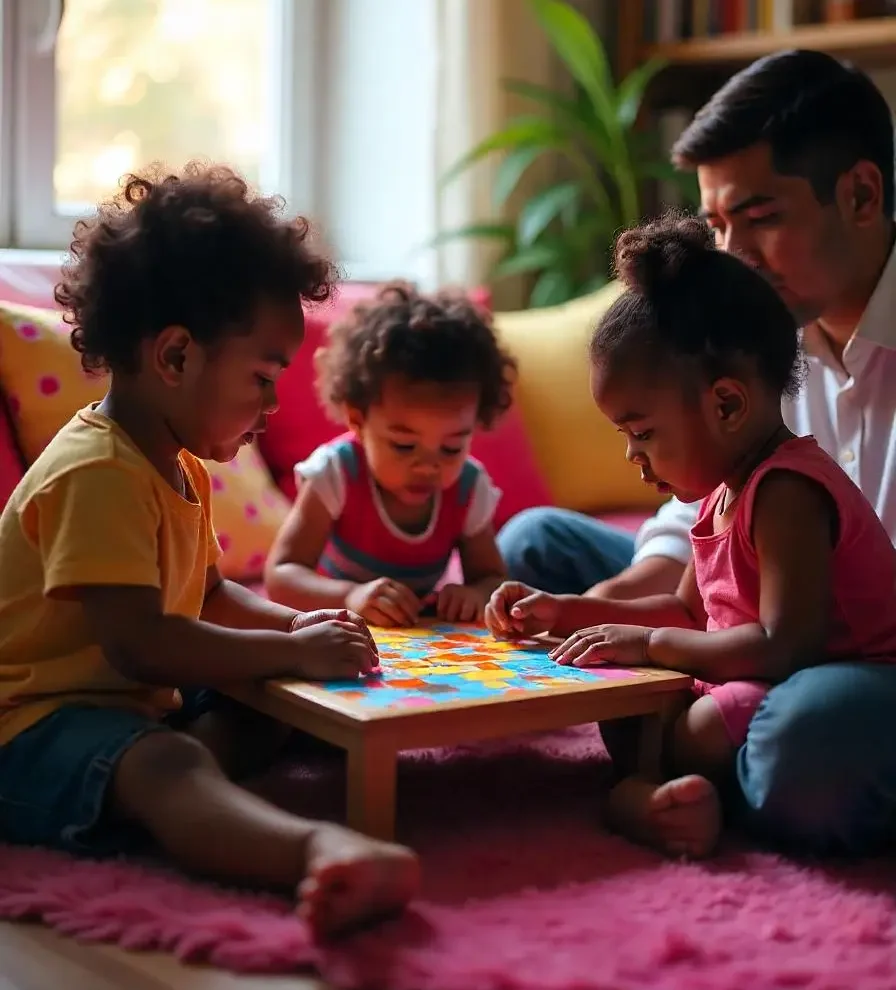
Board games build social-emotional skills like turn-taking, self-control, sportsmanship, patience, managing emotions, and teamwork—all from just playing together. Kris – Special Educator – The Pathway2Success
Finding the Best Board Games for 3 to 5 Year Olds
Choosing the best board games for 3 to 5 year olds can seem daunting. Look for games with simple rules, bright colors, and engaging themes or characters they know and love from a favourite TV show.
Tips for Playing with Young Children
- Keep games short and sweet.
- Focus on the fun and minimize competition.
- Be patient and encourage participation.
- Make it special—let’s have one-on-one time with Mummy.
- Celebrate every victory, big or small.
- Read this article on Screen Free Week which provides valuable tools and tips for getting kids engaged in board games.
Games with rules support preschoolers’ growth—from attention span to emotional skills… the tactile experience of moving pieces… offers richer neural connections than many digital alternatives.” — The Nurtured Nest team
Best Board Games for 3 to 5 Year Olds
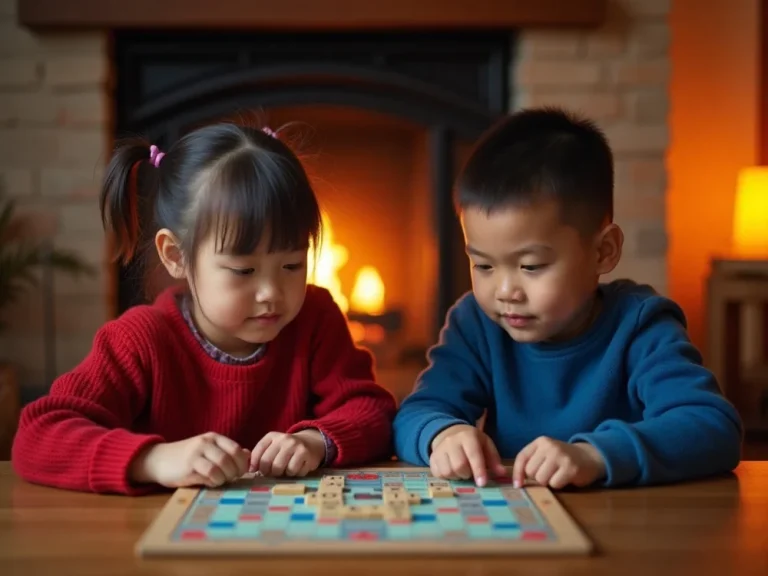
Turn playtime into early literacy wins. Explore curated word board games designed to help preschoolers build phonics, vocabulary and confidence — all while having fun together.
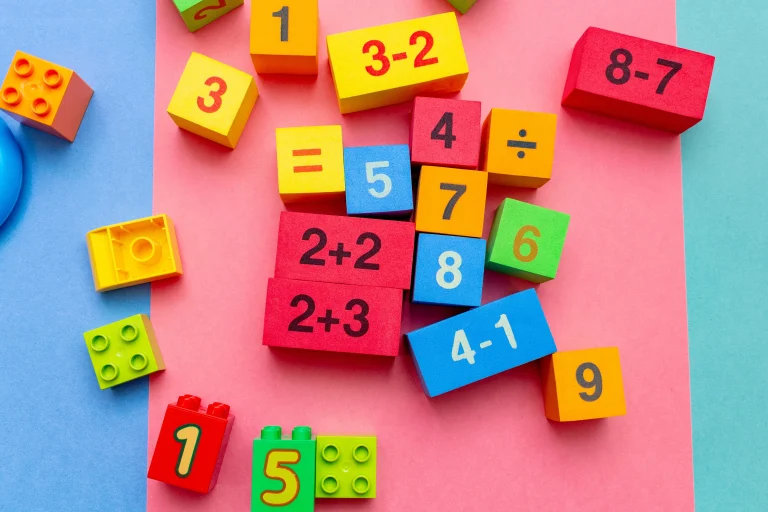
Explore fun-filled board games for preschoolers that turn early maths — counting, patterns and simple sums — into exciting, family-friendly play time.
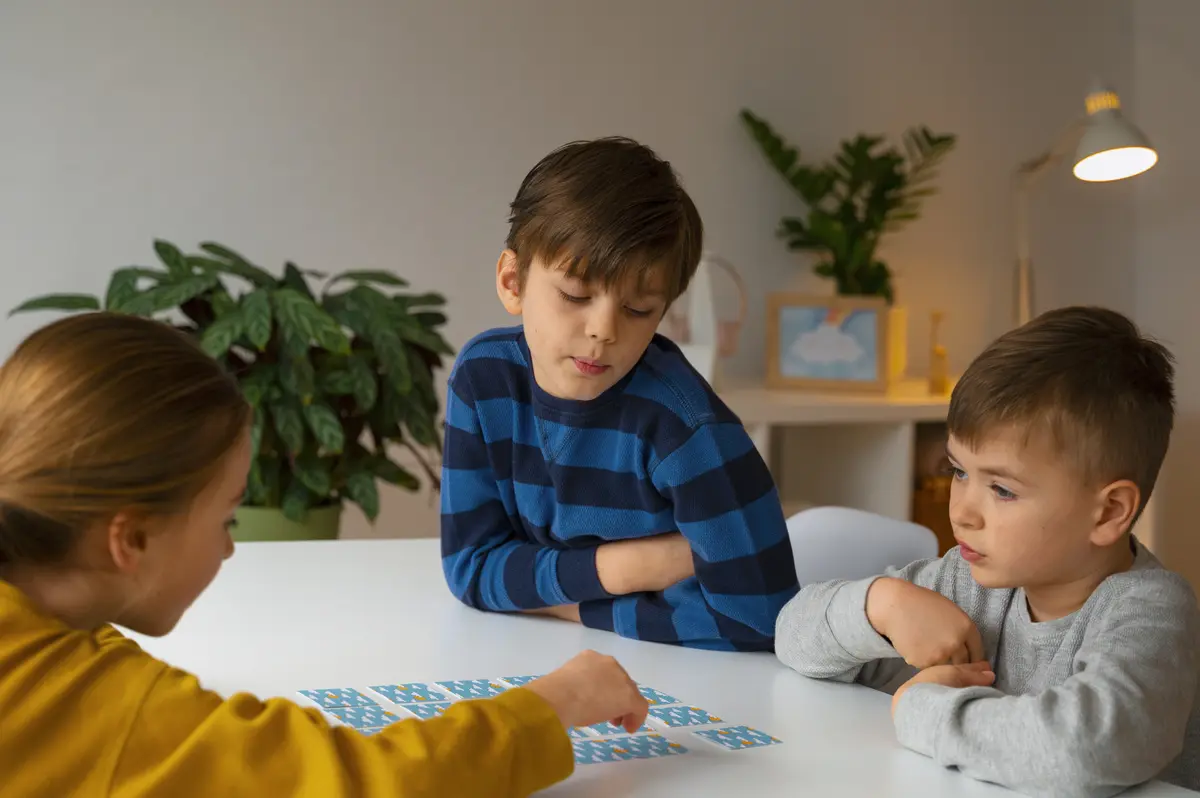
From lively action to calm cooperative play — discover board games tailored for 3-year-olds that spark movement, joy and connection while growing their turn-taking and thinking skills.
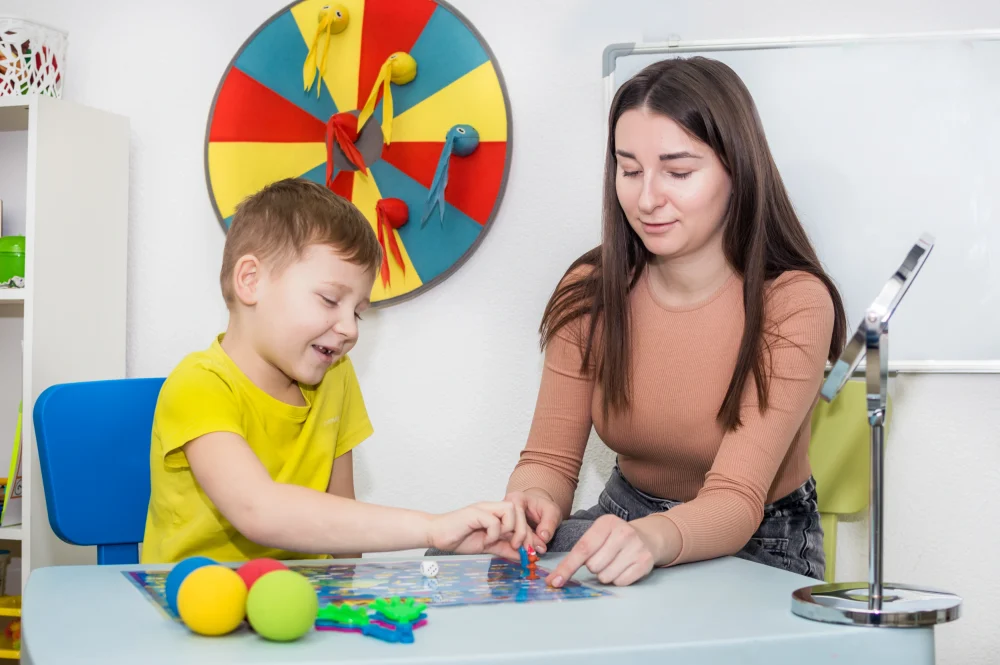
Turn playtime into early literacy wins. Explore curated word board games designed to help preschoolers build phonics, vocabulary and confidence — all while having fun together.

Explore fun-filled board games for preschoolers that turn early maths — counting, patterns and simple sums — into exciting, family-friendly play time.

From lively action to calm cooperative play — discover board games tailored for 3-year-olds that spark movement, joy and connection while growing their turn-taking and thinking skills.

Simple board games can boost communication, cooperation, and self-regulation while also strengthening cognitive growth
Click below to find out our recommendations.
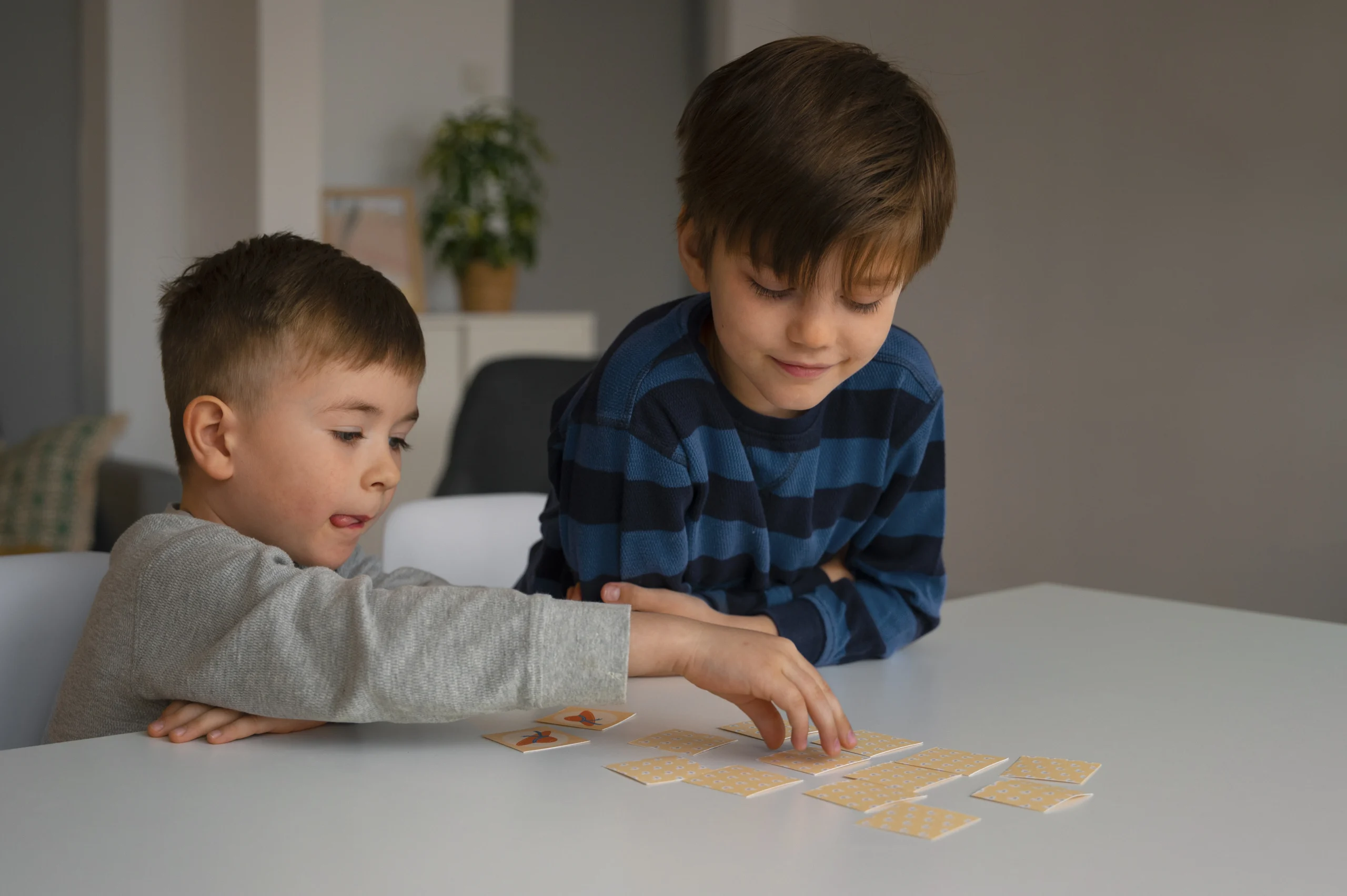
Sharing can be a tough concept for preschoolers, but the right board game can make a difference.
Want to know which games actually work? Read the full article below.

Traditional games focus on competition, but for some neurodivergent kids, cooperative play can make a big impact.
By removing the “winner vs. loser” dynamic, we create a predictable environment where kids can thrive and connect. No stress, just play.
Check out my latest article for my favorite autism-friendly coopertaive board games.
Benefits of Board games for 3 to 5 year olds
Selecting the best board games for 3 to 5 year olds is a critical step in fostering a love for tabletop gaming. If a game is mechanically too complex, a child may become discouraged; similarly, if the competitive stakes are too high, they may retreat from play altogether. Beyond simple entertainment, these games provide a vital gateway to support cognitive milestones, social growth, and emotional resilience.
In fact, choosing age-appropriate board games ensures that preschoolers receive targeted developmental “micro-lessons,” such as:
Cognitive Milestones: Games naturally reinforce essential skills like matching, sorting, counting, and foundational problem-solving.
Social Development: Through structured play, board games gently introduce the “soft skills” of turn-taking, sharing, and verbal communication. Read this article on what games can help teach sharing/turn-taking in a gentle way.
Executive Function & Fine Motor Skills: Manipulating small cards or tokens directly supports pencil grip and hand-eye coordination—an increasingly vital skill in our digital-first world. For specialized advice, you can read an Occupational Therapist’s recommendations for fine motor skill games here.
Critical Thinking: Children learn to plan and adapt as they navigate challenges, building the early stages of strategic thinking.
Emotional Regulation: Whether they win or lose, board games allow preschoolers to practice patience and manage frustration in a safe environment. If you have a child who struggles with competition, explore these strategies for teaching kids to lose gracefully.
Teamwork & Cooperation: Specifically in cooperative settings, young children learn to pivot from an “I” mindset to a “We” perspective. To reduce conflict, check out our top-rated cooperative board games for families.
Ultimately, these early gaming experiences do more than just pass the time; they build a foundation for lifelong learning through joyful, age-appropriate play.