

Reduce Anxiety and Use Cooperative Games
Board games for children with autism can be a wonderful way for families to connect with others in a structured, predictable environment. While traditional games often focus on competition and “social skills” like winning and losing, many families are finding that cooperative games provide a much more supportive experience.
Instead of playing against each other, everyone works together toward a common goal. This shifts the focus from individual performance to team problem-solving, which can reduce the anxiety often associated with competitive play.
Reimagining “Turn-Taking”
A common goal in many therapeutic settings is teaching children with Autism to take turns. However, as highlighted by Reframing Autism, the traditional view of turn-taking can sometimes be stressful or feel arbitrary.
In cooperative games, turn-taking is not just a social rule to follow; it is a functional necessity for the team to succeed. When we play cooperatively, a “turn” becomes an opportunity to contribute to the group’s progress. This makes the concept of waiting more logical and less about social compliance.
Cooperative Board Games for Children with Autism (2- 9 Years)
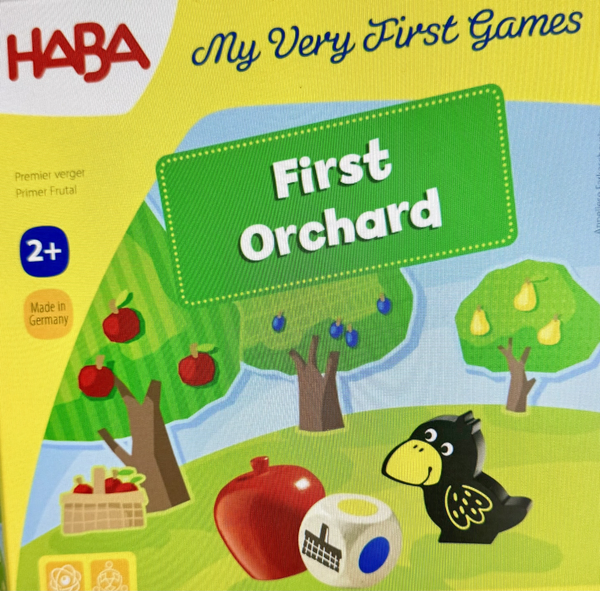
First Orchard
Number of Players: 1–4 players
Age Rating: 2+
Game time: 10 minutes.
Objective: The team tries to pick all the fruit before the raven arrives.
Tactile & Quiet: Features chunky wooden fruit that is satisfying to hold. Very simple “wait-and-move” flow.
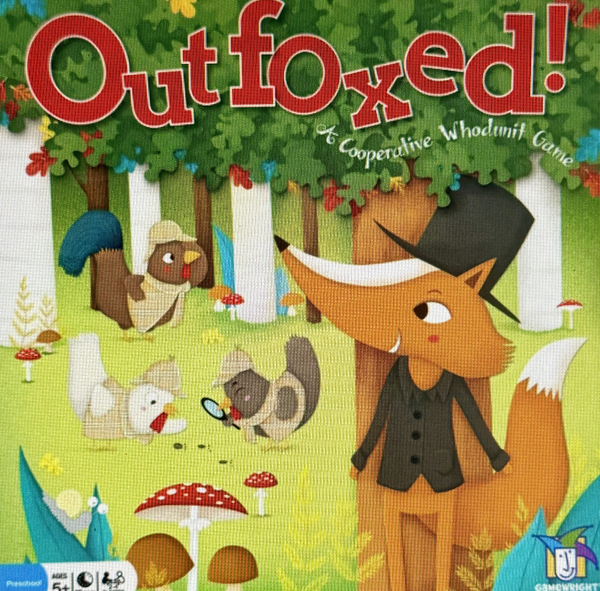
Outfoxed!
Number of Players: 2–4 players
Age Rating: 5+
Game time: 20 minutes.
Objective: You use a special decoder to find a pie-thief.
Logical & Low-Clutter: The “clue decoder” provides a clear mechanical task that focuses the child’s attention on the puzzle.
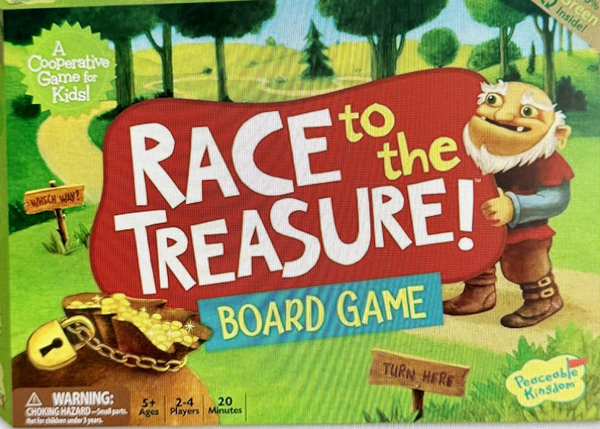
Race to the Treasure
Number of players: 2–4 players
Age Rating: 5+
Game time: 20 minutes.
Objective: Players build a path to collect keys and reach the treasure before an Ogre.
Visual Sequencing: Helps with planning steps ahead. It is a very “hush-hush” game that doesn’t require loud talking.
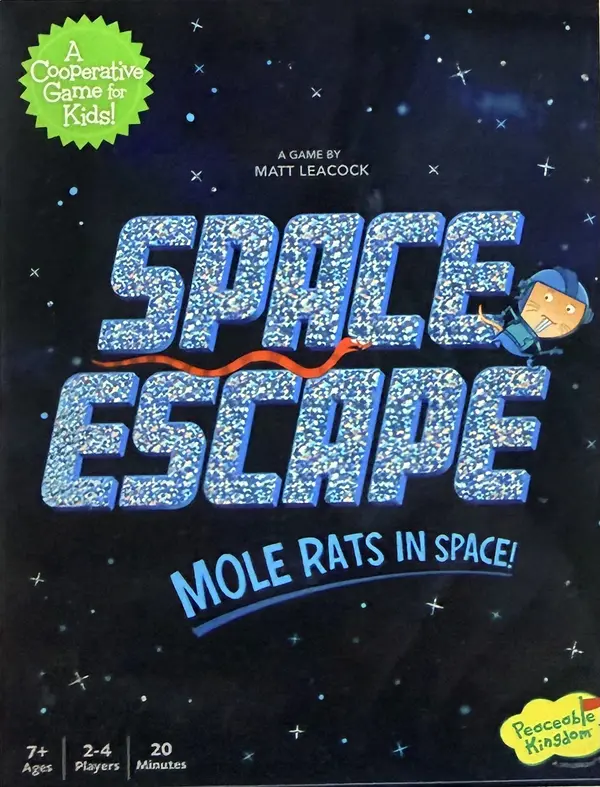
Space Escape -Mole Rats in Space
Number of Players: 2–4 players
Age Rating: 7+,
Game time: 20 minute
Objective: The team helps mole rats reach an escape pod while avoiding snakes.
High Communication: Encourages players to discuss “if I move here, can you move there?” using clear visual movements.
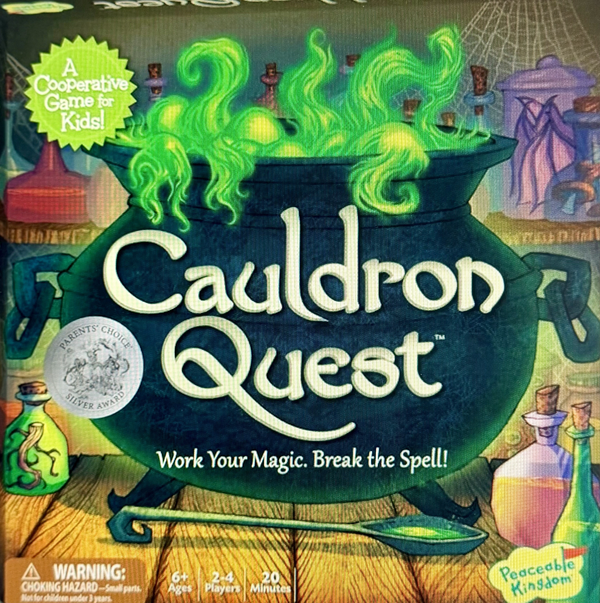
Cauldron Quest
Number of Players: 2–4 players
Age Rating: 6+
Game Time: 20 minutes.
Objective: Players find ingredients for a potion before a Wizard blocks the way.
Benefits: The game uses dice to move specific “ingredients” toward a center cauldron. This provides a clear, visual representation of progress. Players must decide as a team how to “dispel” the Wizard’s blockers, which encourages communication in a low-pressure, choice-based way.
Keep Exploring
Board games for children with autism can provide a structured and predictable environment that children like and makes them feel safe. This structure can serve as a sanctuary for children who have autism. While traditional gaming often focuses on competition and “social skills” like winning and losing, many families find that cooperative board games for children with autism provide a much more supportive, collaborative experience.
If your family enjoys cooperative games, then I highly recommend you head over to Peaceable Kingdom to check out their full range of board games. They are excellent games, and a large majority of their games are cooperative. What makes them excellent is that they are designed by Child Development Experts with the aim to focus on skills needed for children to grow.
Feeling ready for alternative games?
- Try The Mind Game – an excellent game with no talking. A cooperative turn taking game, laying down your cards from 0 to 100 in order.
- Skipbo – is a low-interaction card game, with strategic and luck
- Check out the Best Family Games for the whole family
- Explore educational maths games for children.
- Best Board Games for 2 Year olds
- My favourite for older children is Just One – A cooperative word-guessing game. Easy to be flexible on the rules.
Drop me a note and let me know what your favourite board game for children with autism is. I would love to share with our wider community.