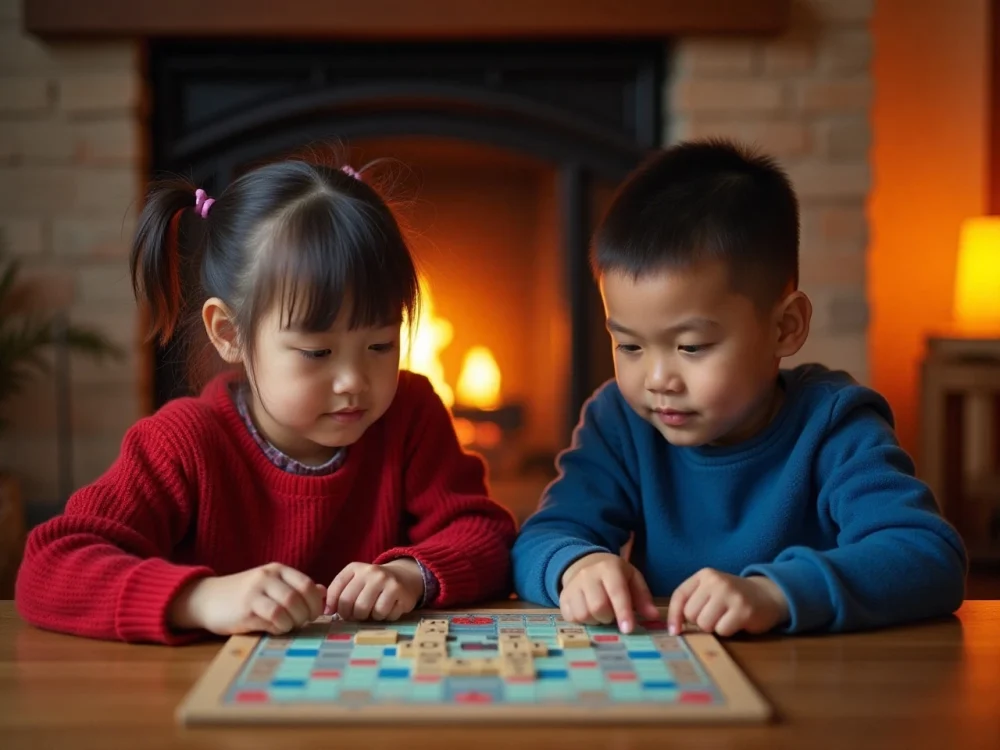
Phonics Meets Fun — Designed for Little Learners
Word board games are a secret weapon for filling the curious minds of preschoolers. I’ve found that toddlers learn fastest when they feel safe and connected—and what better way to do that than through play?
These sight word board games turn letters into hands-on adventures. Not only do they grow your child’s mind, but they provide essential school readiness skills like vocabulary building, spelling, and phonics—all before they even hit the classroom.
“When children are engrossed, focused, and playful… they become absorbed in the act.” — Dr. Jennifer Drake, Associate Professor of Psychology
As an Amazon Associate, we may earn a small commission from qualifying purchases—at no extra cost to you. It helps us keep sharing fun, family-friendly board game ideas!
Preschool Word Games: Quick Comparison
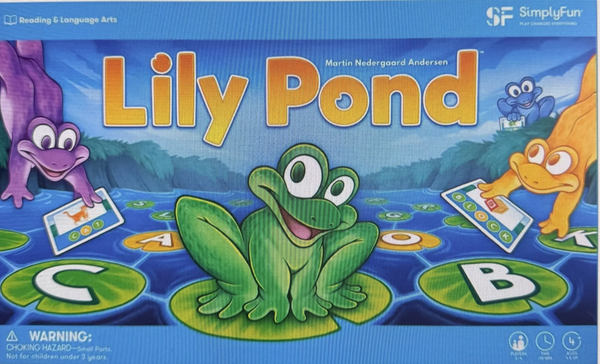
Lily Pond
- Best For: Foundational Reading and Spelling
- Focus: Letter Sequencing & Vocabulary
- Age: 4+
- Number of Players 2-4
- Game Time: 15 mins
- Awards: PAL – Play on Words Awards
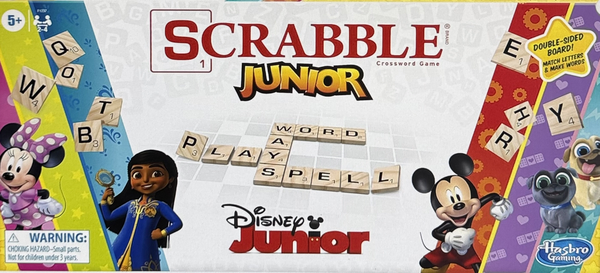
Scrabble Jr.
- Best For: Adaptive Learning
- Focus: Letter Matching & Word Building
- Age: 5+
- Number of Players 2-4
- Game Time: 15 mins +
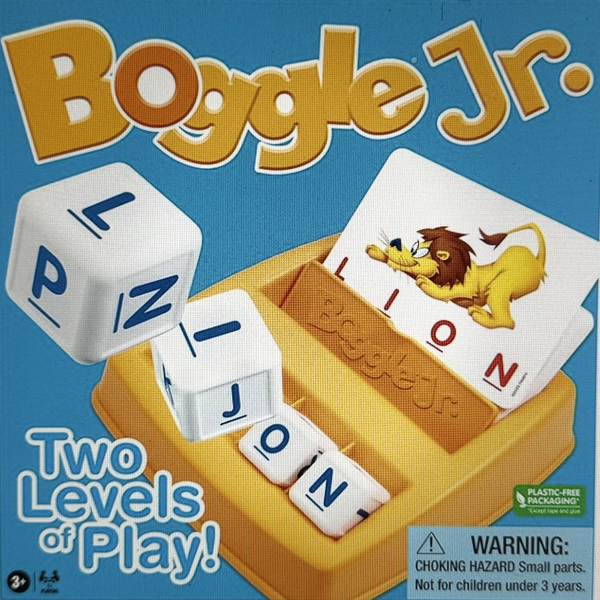
Boggle Jr.
- Best For: Early Reading, Flexible rules
- Focus: 3–4 Letter Words & Phonics
- Age: 3+
- Number of Players: 1+
- Game Time: 10 mins
- Bonus: 2 Levels of Play
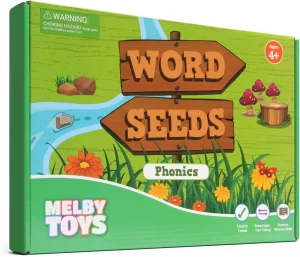
Word Seeds
- Best For: Sight Word Mastery
- Bonus: Teacher Tested
- Focus: Fry Sight Words (CVC & Blends)
- Age: 4-8 yrs
- Number of Players 1-4
- Game Time: 15 mins
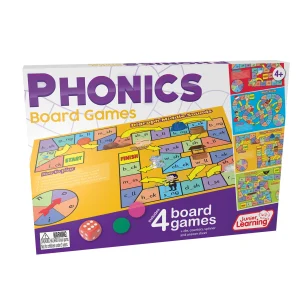
Phonics Board Game
- Best For: Beginning, Middle and End Sounds
- Classroom: Yes, this double sided word board can be used in a classroom
- Age: 4+
- Number of Players 2-6
- Game Time: 15 mins
Scrabble Jr.—Best Word Board Games for Kids
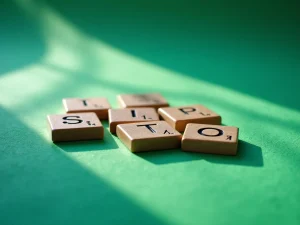
What is Scrabble Jr About
It’s a simplified version of Scrabble for kids, focusing on either matching pre-printed words on the board or creating words on an easier grid with scoring based on collecting tokens. Less complex spelling, no math for scores, and two ways to play for different ages.
If you’re looking for the best word board games for kids, Scrabble Jr. is a fantastic starting point. I love how it simplifies the classic mechanics to focus on letter recognition and spelling rather than complex math.
How I Play Scrabble Jr.
1. The Setup I have each player pick a character token and place it on the “Start” space. We then draw 7 tiles each and lay them face up so everyone can see their letters—this makes it much easier to help younger players!
2. Taking Turns In our house, the oldest person starts. On your turn, you place two tiles on the board. The goal is to match your tiles to the corresponding letters already printed on the game board.
3. Scoring Points I find the token movement keeps kids really engaged with their progress:
Complete a word: Move your token 1 space.
Color Match: If you finish a word that matches your token’s color, move 2 spaces.
Double Trouble: If one tile completes two different words, you get a point for both!
4. The Rules of Spelling I always remind the kids: you must place letters in sequential word order. For example, if you are spelling “GIRAFFE,” you must place the G first, then the I, then the R. You can’t skip ahead to the E if the letters before it aren’t there yet!
My Pro Strategy: The “Hold Back”
Once my kids got the hang of the basics, I started teaching them a little bit of strategy to make it one of their favorite educational board games.
The Tactic: Keep an eye on your opponent’s tiles. If the word “GIRAFFE” only needs an F and an E, and I see my opponent has the E, I might hold onto my F.
The Goal: I wait until I have both letters so I can finish the word myself and snag the point!
Parent Tip: I don’t suggest using this strategy with very young children. It can be frustrating if they feel like they can’t “win” a word. Save the competitive tactics for when they are confident with their spelling!
Boggle Jr
What is the objective of Boggle Jr?
Boggle Jr aim is to match the letters on the cubes to the letters on the picture or word cards to spell out the name of the object—usually 3 or 4 letters long. Spell it right, and the card is yours to keep.
Boggle Jr. is one of the most versatile word board games for preschoolers. It’s specifically designed for children ages 3 and up, focusing on the essential building blocks of literacy: letter recognition and phonics.
Two Ways I Play Boggle Jr.
I love that this game adapts to a child’s skill level. Depending on how much help they need, I use two different modes:
The Beginner Mode: Keep the spelling of the word visible on the card so they can match the letter cubes directly to the printed letters.
The Advanced Mode: Hide the spelling at the bottom of the card, forcing them to spell the word from memory or by sounding it out.
How I Play Boggle Jr. Step-by-Step
1. Set the Stage I start by shuffling the word/picture cards and placing them face-up in the game tray. I make sure the child can see the image clearly.
2. Identify the Word I help my child understand what the picture represents. If they need help, I’ll spell the word out loud for them first.
3. Find the Cubes My child then searches for each letter on the cubes. I encourage them to start from the first letter and move in order, placing each cube into the tray directly under the card.
4. The Power of Patience I provide as much support as necessary, but I always try to give my child the time to explore. Letting them struggle just a little bit helps them truly learn to “decode” the letters on their own.
Leveling Up: Hidden Letters
Once my child is confident with the basic words, I move to the Next Level. I cover the letters on the bottom of the picture card using the built-in flap.
Self-Correction: If they get stuck, I let them take a quick “peek” at the word before covering it back up.
The Winner’s Circle: When playing with two people, I have the players keep the cards they spell correctly. The person with the most cards at the end wins!
My Pro-Tip for Success
If your little one is struggling with spelling, remember that word board games should never feel like a chore. I like to add a little extra motivation—like a trip to the park if we get three cards right. When you keep it fun, your child will look forward to learning.
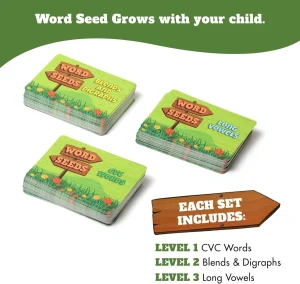
Word Seeds
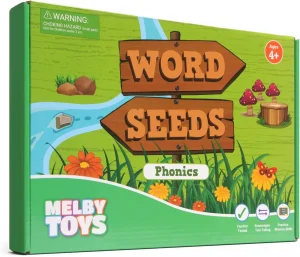
What is Word Seeds
I recommend playing Word Seeds because I’ve found it’s a fun and effective way to help children learn the first 100 Fry sight words. It turns practice into play, which keeps kids engaged and makes learning feel more natural through word board games.
How do you Play Word Seeds
So incredibly simple, each player picks a card and reads the word. If done correctly, you travel through the whimsical garden until you find the corresponding color spot on the board. And be the first player to the end to win. This is a fabulous phonics and word board game for kindergarten children, as it addresses three levels of sounds.
There are three levels to this game:
Level 1: CVC words (CVC words are simple three-letter words that follow a Consonant-Vowel-Consonant pattern—like cat, dog, or sun).
Level 2: Blends and Digraphs – Blends = both sounds are heard = black, blue, grape, green. Digraphs = one sound made by two letters = chat, ship, thin.
Level 3: Long Vowels – Long vowels are vowel sounds that say their own name—they sound just like the letter itself. E.g., cake, bike, cube (long A, long I, long U sound).
Word Seed contains 30 cards for each level.
What are Fry Sight Words?
Fry Sight Words list includes the 1,000 most common words found in books and reading materials for kids in grades 3 through 9. It was created by Dr. Edward Fry in the 1950s and updated in 1980 to help older students build strong reading skills. Word Seeds uses 100 of these words suitable for ages 4 to 8 years of age.
Phonics Board Games
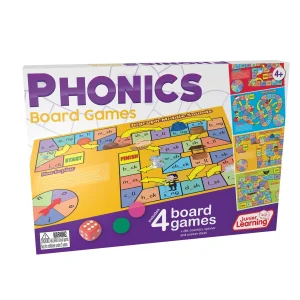
What is Phonics Board Games
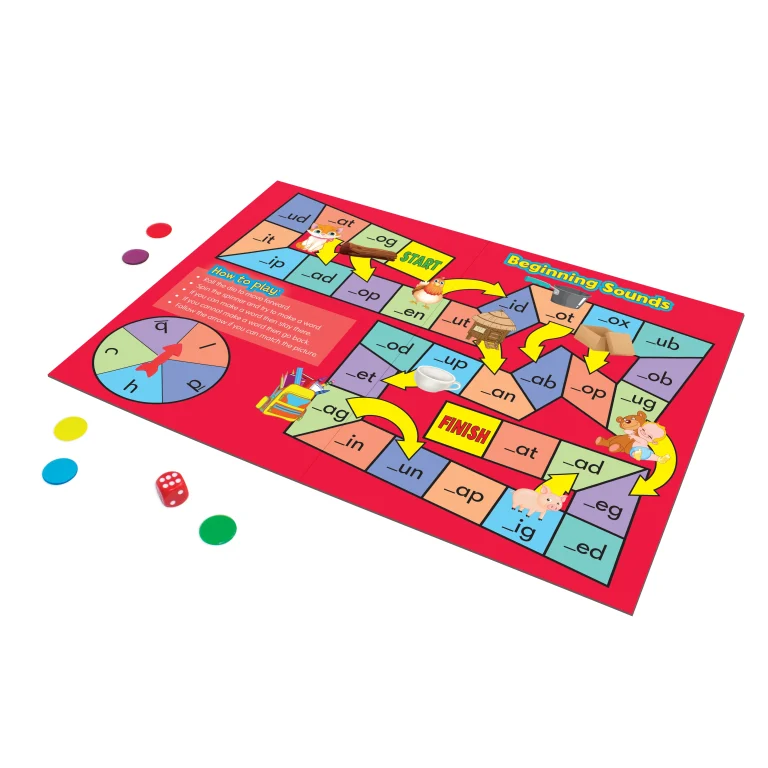
Phonics Board Games is a fun-filled learning adventure that helps build phonics confidence, one word at a time. Designed to make phonics practice exciting and interactive. Players roll, spin, and move their way across the board by sounding out letters, matching pictures, and forming simple words. It’s the perfect blend of play and learning—ideal for early readers and word wizards in the making.
Phonic topics include beginning sounds, middle sounds, digraph middle sounds, and final sounds.
This word board game designed for children from 4 years and above includes a double-sided game board featuring colorful, engaging images to captivate young minds. And an answer sheet is included for self-checking.
How to Play Phonics Word Board Games
- Roll the die and march your way forward on the board.
- Give the spinner a whirl and try to build a word.
- Spelled it out like a champ? Awesome—you get to stay put.
- Got stuck on the word OH-no… back you go.
- See a picture match? Follow the arrow and zip ahead.
Lily Pond
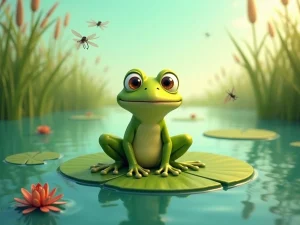
A Ribbiting Spelling Challenge – Fun Word Board Games for Early Learners
What is Lily Pond – Word Game About
Players roll a die to move their frog around a lily pad board, landing on or passing through specific letter lily pads in order to spell words on their personal word cards (3-5 letters).
How I Play Lily Pond: Step-by-Step
1. Sort Your Lily Pads I start by shuffling the cards into their color-coded sets. It’s important not to mix them, as each color represents a different difficulty level: three, four, or five-letter words.
2. Choose Your Strategy I deal one card from each pile to every player, so everyone has three words to complete. I love letting the kids choose which word they want to tackle first—it gives them a sense of control over their learning!
3. Start the Leap Each player places their letter token on the first letter of their chosen word. On your turn, roll the die and move your frog across the lily pads.
4. Navigating the Pond
The Goal: Land on the letters you need for your word.
The Move: If I roll a 3, I move my frog three spaces to adjacent lily pads.
The Rule: You can jump over another player’s frog, but you don’t get to count the letter they are sitting on. You must land on three distinct letters!
5. Completing the Word As I land on each correct letter, I move my token across my card. Once the word is finished, I flip the card over and hop toward the next challenge.
Why Lily Pond is a Must-Have
I believe this is a top-tier educational board game because it supports spelling skills for early learners in a low-stress environment. By matching the letters on the path to the ones on their cards, children practice letter recognition without even realizing they are “studying.”
Each hop across the pond is a joyful step toward literacy. It builds the confidence kids need to transition from recognizing single letters to understanding full word structures.
FAQ - Word Board Games For Preschoolers
Q: What age is suitable for word board games for preschoolers?
A: Generally, these games are designed for children aged 3 to 5 years old. Many will specify an age range (e.g., 3+, 4+). Look for games with large, easy-to-handle pieces and simple concepts.
Q2: My preschooler can’t read yet. Can they still play word board games?
A: Absolutely! Many preschooler word games are designed to teach pre-reading skills, no reading required. They often focus on letter recognition, phonics (letter sounds), picture-word association, and early vocabulary building. Parents or older siblings typically help with reading the words or instructions. Scrabble Jr is great recommendation for pre reading skills.
Q: What specific skills do these games help develop?
A: They are fantastic for:
Letter Recognition: Identifying individual letters.
Phonological Awareness: Understanding letter sounds (phonics).
Vocabulary Expansion: Learning new words.
Pre-Reading Skills: Associating pictures with words, left-to-right progression.
Fine Motor Skills: Handling game pieces.
Turn-Taking & Patience: Essential social skills.
Following Instructions: Understanding and remembering rules.
Problem-Solving: Simple strategizing.
Q: Are these games too educational and not fun enough for a preschooler?
A: Not at all. Good preschooler word games blend learning seamlessly with engaging play. They often feature colorful themes, relatable characters, and simple mechanics that prioritize fun. The learning happens naturally through repetition and interaction.
Q: What if my child gets frustrated or loses interest quickly?
A:
Keep sessions short: Preschoolers have short attention spans. Start with 5-10 minute sessions.
Focus on fun, not winning: Emphasize the joy of playing together.
Offer help: Don’t hesitate to guide them or give hints.
Modify rules: Simplify rules if needed, or play cooperatively if competition causes distress. Instead of “finishing” the game, say we will complete two words today.
Take breaks: If frustration builds, put the game away and try again later.
- Use rewards if necessary. Get a snack, go to the park if you finish the game. Pick your favourite game next.
Q: How long do these word games typically take to play?
A: Most word board games for preschoolers are designed for quick play, often 10-20 minutes. This duration is ideal for their attention spans and allows for multiple rounds or different games in one sitting.
Q: How do I choose the right word board game for my preschooler?
A: Consider:
Age Range: Match the recommended age.
Learning Focus: Does it target letter recognition, phonics, or vocabulary more?
Theme: Choose a theme your child enjoys (animals, fantasy, everyday objects). So many games for young children are designed around favourite TV Shows.
Game Type: Cooperative vs. competitive. Many parents prefer cooperative for this age.
Reviews: Look for reviews from other parents about engagement and educational value.
Component Quality: Durable, large, easy-to-handle pieces are a plus.
Q: Are there cooperative (non-competitive) word games available for preschoolers?
A: Yes, absolutely. Many excellent cooperative word games exist where everyone plays together against the game or works towards a shared goal. These are fantastic for teaching teamwork and reducing pressure, especially if your child struggles with losing. Look for keywords like “cooperative play” or “work together.” Check out Hoot Owl Hoot on Amazon.
Q. How often should we play word board games?
A: There’s no strict rule, but regular, short sessions are more beneficial than infrequent long ones. Aim for a few times a week, or whenever your child shows interest. Make it a positive, natural part of your routine.
Q: Can multiple preschoolers play together, or is it better for one-on-one?
A. Many games are designed for 2-4 players, making them suitable for multiple children. Playing with siblings or friends also enhances social skills like turn-taking and sharing. However, one-on-one play with a parent can offer more focused learning and bonding.
Science-Backed Benefits: How Word Board Games Build Smarter Kids
Is it just a game, or is it a brain-builder? Research proves that word board games for preschoolers are much more than a way to pass the time. By turning letters into a social activity, I’ve seen firsthand how these games transform a child’s ability to communicate.
1. Vocabulary and Language Mastery
A landmark study in Indonesia focused on the power of games like Scrabble for language development. The results were clear: students who engaged in word play saw a significant jump in vocabulary development and classroom participation.
Whether you are using phonics board games or simple matching sets, you are giving your child the tools to express themselves more clearly.
2. Teamwork and Impulse Control
Scandinavian researchers have taken a deep dive into how educational board games—both cooperative and competitive—affect behavior. Their findings suggest that playing together teaches preschoolers:
Self-Control: Learning to wait for a turn.
Problem-Solving: Working through a difficult word or move.
Emotional Management: Cooperative games, in particular, give kids a massive boost in managing their impulses.
3. Stress Reduction and Brain Health
It’s not just for the little ones! From preschool through adulthood, early learning word games provide a lifetime of mental health benefits. According to experts, these games challenge the mind while providing a healthy outlet for stress.
Why I Recommend Word Play for Families
When I sit down with a preschooler for a game, I’m not just teaching them to spell “cat.” I’m helping them build a foundation for school readiness. These games provide:
Sight Word Recognition: Spotting common words instantly.
Phonemic Awareness: Understanding how sounds form words.
Connection Time: Building a secure bond through shared laughter.
🔗 Source: Psychology Today – Word Puzzles and Board Games Boost Brain Health
Author:Loriann Oberlin MS, LCPC
Looking for More Fun & Educational Options?
We’ve got plenty of ideas to keep little ones entertained while they learn:
- Board Games by Age 3–5 Years – games specially designed for early learners.
- 5 Best Educational Maths Games for Kids—Make learning numbers exciting and playful.
- Monopoly for Kids—a classic game with a kid-friendly twist.
- Thrilling Board Games for 3 Year Olds – from energetic action games to gentle challenges that grow with your child.
- If your child enjoys cooking, explore these cooking and baking games here
- Or take the 30 day board game challenge here
- Best Family Games
- Cranium is best for creative families
- Cooperative games help reduce the competition
- Games for kids who hate to lose
- How to teach kids to share and take turns