

Why Board Games Are Secret Tools for Teaching Emotional Self-Regulation
Jump to:
- The Color Monster – match emotions with pictures
- Snug as a Bug in A Rug – cooperative game, working on empathy and resilence
- Feelings and Emotions – build emotional vocabulary
- Mad Dragon 2 – Identification of emotions and how they occure.
- CBTrees – Utilising CBT techniques, finding easy and safe ways to address fears.
- Read how can board games help with emotional self-regulation
- Additional Resources
Affiliate Disclosure
As an Amazon Associate, I earn from qualifying purchases. This helps support our family board game reviews at no extra cost to you.
Games to Support Emotional-Self Regulation Overview
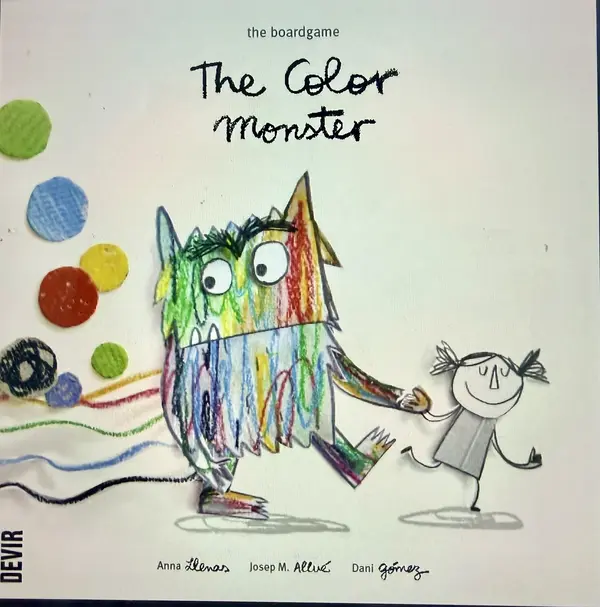
The Color Monster
- Players – 2-5
- Game Time – 25mins
- Age – 3+
- Game Type: A story-based game that brings emotional vocabulary to life.
- What it Teaches: Identifying and labeling “big feelings.”
- How it Works: Based on the popular book, players match specific emotions—joy, sadness, fear, calm, and anger—to corresponding colors. By sorting these “emotion jars,” children learn to recognize what they are feeling and practice the self-expression needed to communicate those feelings to others.
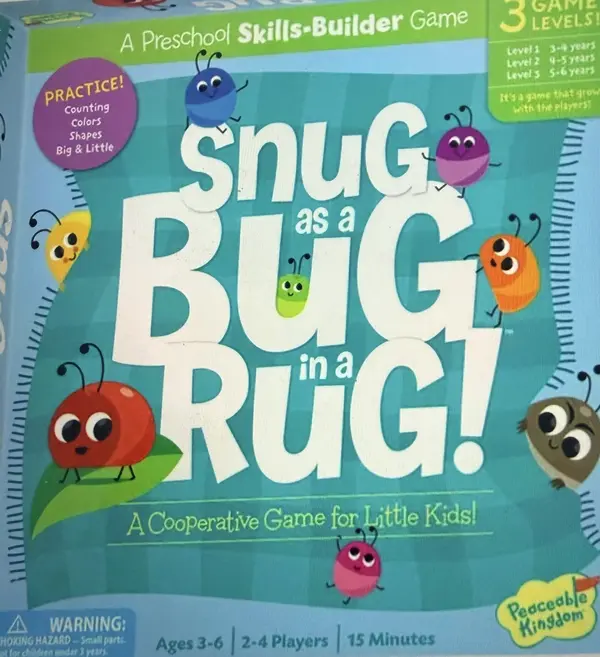
Snug as a Bug in a Rug
- Players – 2-4
- Age Rating 3+
- Game Time – 15 mins
- Game Type: A colorful, cooperative “team-versus-the-game” challenge.
- What it Teaches: Resilience and empathy through shared outcomes.
- How it Works: Since this is a cooperative game, the stress of competing against siblings is removed. Players work together to hide bugs under a rug before “stink bugs” arrive. It teaches children how to support teammates through setbacks and how to celebrate a group win, which builds foundational social-emotional skills.
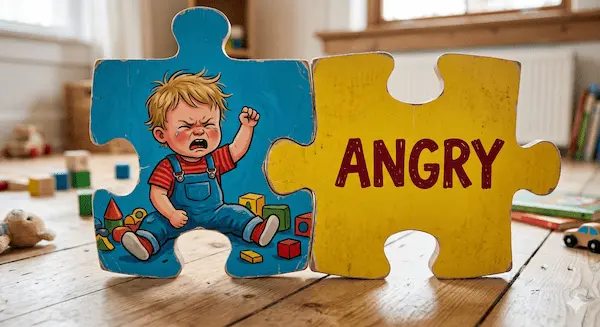
Feelings & Emotions Puzzle Cards
- Age Rating 3+
- Game Type: A self-correcting matching game that pairs real-life photography with recognizable icons.
- What it Teaches: Building emotional vocabulary and accurate expression matching.
- Game Overview: This set features 24 double-sided puzzles where children must match a photo of a real child’s face to a corresponding emoji-style icon or emotion word (like “surprised” or “nervous”). Because the puzzles are self-correcting—meaning only the right pieces fit together—kids can explore emotions independently, gaining confidence as they learn to identify the subtle cues that signal how someone else is feeling.
Mad Dragon 2
Why Mad Dragon 2 is a Top-Rated 2026 Therapy Tool
This revised second edition from Therapy Game HQ has been updated with fresh visuals and improved therapeutic content, making it one of the best family games for emotional regulation in 2026.
- Age Rating 6-12 years
- Low Learning Curve: Because it plays like UNO, children as young as 6 can jump in immediately without being overwhelmed by complex rules.
- The “Dragon Perspective”: Asking “What makes the Dragon mad?” instead of “What makes you mad?” lowers a child’s defenses, making them more willing to share.
- 12 Core Techniques: The game builds a literal “toolbox” of 12 different anger management strategies that kids can actually use at school or home.
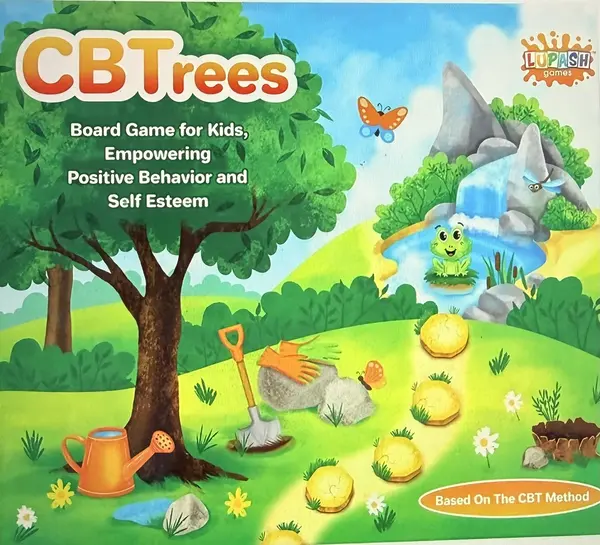
CBTrees
- Age Rating 7+
- Game Type: A strategy game rooted in Cognitive Behavioral Therapy (CBT) principles.
- What it Teaches: Cognitive reframing and confidence.
- How it Works: As players work to replant a forest, they must answer thought-provoking questions and complete tasks that mirror CBT techniques. It encourages kids to face fears rather than avoid them and uses role-playing to prepare for difficult social interactions, building the “bounce-back” ability known as resilience.
Strategies for Parents to Help Teach Self-Regulation
How you facilitate game night is just as important as the game itself. Use these coaching tips to turn playtime into a learning moment:
Model “Losing Well”: Children are sponges. Narrate your own feelings: “Oh man, I really wanted to win that round, but I’m going to take a deep breath and try again next time.”
Label the Feeling: Help them put a name to the heat they feel in their chest. “You look frustrated that your piece got bumped. It’s okay to feel that way.”
The “Stop, Think, Act” Method: Encourage a 3-second pause before they make a move or react to a setback.
Process Over Outcome: Praise their effort or sportsmanship rather than just the win. “I loved how you stayed calm when the dragon took your treasure!
If you want to learn more about the importance of play in families, head over to this wonderful website, Learning Through Play, which explains more about the why and how etc.
How Can Board Games Help with Emotional Self-Regulation?
Developing emotional self-regulation is a journey for every child, and board games provide a unique, low-stakes environment to practice this vital skill. While a board game isn’t a “fix-all,” research from institutions like the University of Otago shows that structured play helps children practice waiting, planning, and managing frustration. Within a game setting, the stakes are low, creating a safe space for “micro-lessons” in:
Patience: Practicing the essential skill of waiting for a turn without blurting out or interrupting the flow of play. Developing this “internal pause” is a core component of emotional control. For a deeper dive into specific activities that build these habits, see our recommendations on how to teach kids to share and take turns using board games, which offers age-appropriate strategies for managing the “waiting game.
Impulse Control: Building the “cognitive brakes” necessary to resist moving a piece prematurely or grabbing a card out of turn. This is more than just following rules; it is an exercise in inhibitory control, a core executive function. By practicing these “stop-and-think” moments in a game, children strengthen the neural pathways used to manage impulsive behaviors in the classroom and at home.
Pro Tip: If your child is struggling with high-energy impulsivity during play, check out our games like Spot It, Dobble to help them channel that physical energy into structured gameplay.
Resilience: Developing the “bounce-back” ability required to handle the sting of losing a turn or having a piece sent back to the start. These small setbacks are actually vital practice for real-world disappointments. If your child struggles with the competitive side of play, you may want to head over to our dedicated article on the best board games for kids who hate to lose, where we break down specific games that help reframe the “losing” experience into a learning moment.
Empathy and Social-Emotional Growth: Learning the complex skill of perspective-taking—authentically celebrating a friend’s or sibling’s victory even while navigating personal disappointment. This is a “micro-lesson” in emotional maturity. In a game setting, children practice seeing the world through their opponent’s eyes, realizing that joy for one person doesn’t have to mean total “failure” for another. This builds the foundational empathy required for healthy teamwork and long-term social success.
Helpful Resource: If you find that the competitive “sting” is currently too high for your child to practice empathy effectively, we highly recommend starting with our list of the best cooperative board games for families. These games remove the “me vs. you” barrier and allow kids to practice empathy by supporting their teammates toward a shared goal.
How Board Games Support Emotional Self-Regulation in Children
A typical family game night is full of “micro-lessons.” Between the laughter and excitement, children are constantly navigating setbacks and waiting their turn. Here is how tabletop game play builds essential life skills:
A Safe Space to Fail Games provide a low-stakes environment to experience big emotions. Losing a round feels much safer than a real-life disappointment, giving kids a “practice run” for coping with frustration while a caregiver is there to support them.
Developing Impulse Control Following rules and waiting for a turn introduces much-needed structure. This helps children practice patience and the importance of following guidelines, even when their competitive emotions are running high.
Understanding Cause and Effect Games teach children that their reactions have consequences. They quickly learn that a “meltdown” might end the fun, while a healthy response allows the game—and the connection—to continue.
Building Empathy and Perspective Cooperative games, in particular, require players to understand a teammate’s intentions. This fosters empathy as children learn to support others through their own setbacks.
Strengthening Communication Whether negotiating a trade or discussing a team strategy, games require kids to articulate their feelings and thoughts clearly, building crucial social communication skills.
Nurturing Resilience Every time a child faces a setback in a game and chooses to keep playing, they are strengthening their resilience. This “bounce-back” ability is a core component of long-term emotional health.
The Game Night Coach: 3 Phrases to Validate Emotions
1. When they get “bumped” or lose a turn
“I can see you’re really frustrated that your piece got sent back to the start. That is a tough part of the game. Let’s take a big breath together so you’re ready for your next move.”
Why it works: It labels the feeling (frustration) and validates that the setback is legitimately hard, then offers a physical regulation tool (the breath).
2. When they are struggling to wait for their turn
“It is so hard to wait when you’re excited to play your card! You are doing a great job giving your brother his space to think. Your turn is coming up next.”
Why it works: It acknowledges their enthusiasm as a positive trait while reinforcing the boundary of patience and praising the effort of waiting.
3. When the game ends and they didn’t win
“You played a really tough game and I loved the strategy you used with those dice. It’s okay to feel disappointed that you didn’t win this time—I feel that way too sometimes. I’m proud of how you stayed in the game until the end.”
Why it works: It shifts the focus from the outcome (losing) to the process (strategy/resilience). It also uses “co-regulation” by admitting that even adults feel disappointment.
Quick Tips for Success
Get Low: Squat down to their eye level before speaking. This makes you a partner in the moment rather than a lecturer.
Pause the Clock: If emotions are too high, it is okay to say, “Let’s pause the game for two minutes to get a drink of water.” A physical reset often resets the brain.
Keep it Short: In the heat of a “micro-lesson,” less is more. Validating the feeling is more effective than explaining the logic.
Here are Our Picks of Board Game for Emotional Self-Regulation
The Color Monster – A Story-Based Board Game
- Age: 4+
Based on the popular book, kids match emotions (joy, sadness, fear, calm, and anger) to colors and talk about when they’ve felt them. Here is a quick overview and review of the Color Monster.
Skills built: Emotional vocabulary, empathy, self-expression.
Snug as a Bug in a Rug (Peaceable Kingdom)
- Age: 3+
Snug as a Bug in a Rug is an award-winning cooperative board game designed by Peaceable Kingdom. It is a perfect introduction to tabletop game play because it removes the stress of competition—everyone works together to win against the “stink bugs.”
Game Overview
The Goal: Work as a team to get all the colorful bugs hidden safely under the rug.
The Challenge: You must finish before three “stink bugs” land on top of the rug and stink up the place!
Best For: Preschoolers and early elementary students (Ages 3–6).
How to Play: Step-by-Step
Spin the Spinner: On your turn, spin to see which attribute you are looking for (like a specific color, number, or shape).
Find the Match: Search the board for a bug that matches the spinner’s result.
Hide the Bug: Once found, slip the bug under the rug board.
Watch Out for Stink Bugs: If you can’t find a match, a stink bug moves closer to the rug!
Winning together: If all the little bugs are under the rug before the third stink bug arrives, everyone wins!
Developmental Skills Built
This game is a powerhouse for early childhood learning and social-emotional development:
Core Academics: Reinforces color, number, and shape recognition.
Physical Dexterity: Practice spinning a spinner and handling small game pieces.
Social Skills: Teaches turn-taking and the importance of working cooperatively toward a shared goal.
Adjustable Difficulty: The game includes three levels of play, so it grows with your child’s abilities.
Feelings and Emotions
Age Rating 3+
This set features 24 double-sided, two-piece puzzles (48 pieces total). The primary goal is to help children identify, name, and relate to different emotions by matching expressive photos of real children with colorful, emoji-style icons.
Self-Correcting Design: Each puzzle has a unique interlocking shape, meaning only the correct “feeling” icon will fit with the matching “real-life” photo. This allows children to play independently and learn through trial and error without frustration.
Real-Life Connection: One side of the puzzle pieces features high-quality photography of children in various emotional states, while the other side features “emoji” graphics and emotion words to build vocabulary.
How to Play & Use
Because this is a flexible learning tool rather than a rigid board game, there are several ways to play depending on the child’s developmental stage:
1. Basic Matching (The Core Game)
Set Up: Spread all the puzzle pieces out on a flat surface. You can start with just 3–5 pairs to avoid overwhelming younger children.
The Goal: Ask the child to find the photo of a child (e.g., a girl laughing) and match it to the corresponding emoji/word piece (e.g., “Happy”).
The Check: If the pieces fit together perfectly, they found the right match!
2. “How Would You Feel?” (Roleplay)
After a puzzle is completed, ask the child to mimic the face shown in the photo.
Discussion Prompt: Ask, “What makes you feel like this?” or “Can you remember a time you felt this way?” This helps move the lesson from a card to their real-life experiences.
3. Emotion Scavenger Hunt
Place the “emoji” pieces around the room. Hold up a “photo” piece and ask the child to run and find the emoji that matches that feeling. This adds a physical element to the learning.
Tips: Do a Daily Check-In
Use the cards as a morning or bedtime check-in. Ask the child to pick the puzzle piece that best represents how they are feeling right now and talk about why.
Mad Dragon 2
Age Rating 6 – 12 years
The Vibe: A fast-paced “UNO-style” card game that makes learning anger management feel like a play session rather than a lesson.
What it Teaches: Identifying anger triggers, recognizing physical “anger cues,” and practicing real-world calming techniques.
How it Works: Modeled after the familiar mechanics of UNO or Crazy Eights, players race to get rid of their cards by matching colors and numbers. However, many cards feature a prompt or exercise. When played, the player must answer a question (e.g., “What does your body feel like when you get mad?”) or demonstrate a technique (e.g., “Practice a deep ‘Dragon Breath'”). By using a relatable dragon character who also struggles with big emotions, the game allows children to externalize their feelings and discuss anger in a safe, non-threatening way.
CBTrees – Emotional Regulation Game
Age Rating 7+
CB Trees is a strategic game inspired by Cognitive Behavioral Therapy (CBT ) principles. CBT treatment is used to support changing behavioral patterns. And can be used to support children in
- Facing one’s fears instead of avoiding them,
- Using role playing to prepare for potentially problematic interactions with others.
- Learning to calm one’s mind and relax one’s body.
CB Trees helps to build emotional awareness and boost your childs confidence as they complete tasks and answer thought-provoking questions to replant the forest. The player who plants the most trees wins. Learning Resources also state this
Resources
Research of Play in Emotional Self-Regulation
An article on “100 Emotional Regulation Games: A Guide for All Ages ” . It is a PDF file, so I can’t add a link, but just copy the title into Google and it will come up.
Psychological research highlights several benefits of play, especially board games, for emotional development. Dr. Stuart Brown (https://www.playcore.com/drstuartbrown) has spent his career researching and understanding the importance of play in children.
If you wish to understand more about the brain and how it matures, check out Dr Dan Siegel https://drdansiegel.com/whole-brain-child-handouts/ which has valuable information and age-appropriate strategies for dealing with day-to-day struggles. You can also find their books on amazon below.
Resourses / Recommended Books
Play: How It Shapes the Brain, Opens the Imagination, and Invigorates the Soul
- Author: Stuart M. Brown, M.D.
- Focus: This foundational book explains the neuroscience and psychological benefits of play, highlighting how play uniquely supports creativity, emotional regulation, and resilience.
The Whole‑Brain Child: 12 Revolutionary Strategies to Nurture Your Child’s Developing Mind
- Authors: Daniel J. Siegel, M.D., & Tina Payne Bryson
- Focus: While not exclusively about games, this guide offers practical co‑regulation techniques and age‑appropriate strategies—butter emotional integration, helping parents use play and dialogue to foster calm, understanding, and self‑control.
Turning Playtime into Life Skills
Teaching emotional self-regulation doesn’t have to feel like a therapy session. By integrating intentional gameplay into your family routine, you provide your children with a safe, supportive environment to fail, recover, and grow. So, if they are practicing the impulse control needed to wait for a turn or the resilience required to handle a tough loss, every roll of the dice is building a stronger emotional foundation.
Remember, the goal isn’t to avoid the “big feelings” that come with competition—it’s to give your children the tools to navigate them. As they move from frustration to mastery, they aren’t just becoming better board gamers; they are becoming more emotionally intelligent individuals.
Continue Your Journey: More Resources for Growing Families
If you found this guide helpful, explore our other articles designed to help you navigate the social and emotional side of family gaming:
The Best Board Games for Kids Who Hate to Lose: Specific game picks and “pre-game” scripts to reduce meltdowns.
How to Teach Kids to Share and Take Turns: A step-by-step guide to moving from “me first” to “our turn.”
The Ultimate List of Cooperative Board Games: Perfect for building teamwork and empathy without the pressure of direct competition.
Top-Rated 10 Minute Board Games for families who are short on time.
- Join Screen Free Week in May – Read tips on how to start a Screen Free Week and game suggestions for each age group