
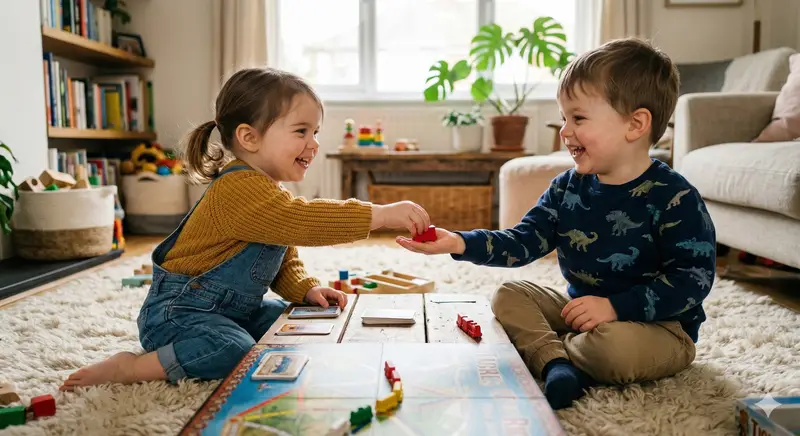
We’ve all been there… If you have a 3-to-5-year-old, you know the “Sharing Struggle” is real. So, how to teach kids to share in a fun way. A child’s brain is still developing the empathy needed to understand that other people have feelings too. To them, “taking a turn” often feels like losing my toy forever.
Teaching social skills to preschoolers doesn’t have to be a chore. Using family board games is a brilliant way to turn a “mine!” moment into a “let’s play!” moment. While you might be asking yourself, “How do I get my child to start sharing?” or “What are the best games for turn-taking?”, the answer lies in the structure of play.
Overview of Turn Taking Games
Here are some classic favorites that act as perfect learning tools for toddlers to master the art of the “wait-observe-act” cycle. And an added bonus: all these are budget friendly games for children.
To help keep our game night recommendations coming, I’ve included some affiliate links in this post. As an Amazon Associate, I earn from qualifying purchases. This means if you click a link and find a new favorite for your family, I may earn a small commission at no extra cost to you. I only suggest games that we truly love and think your family will enjoy, too!
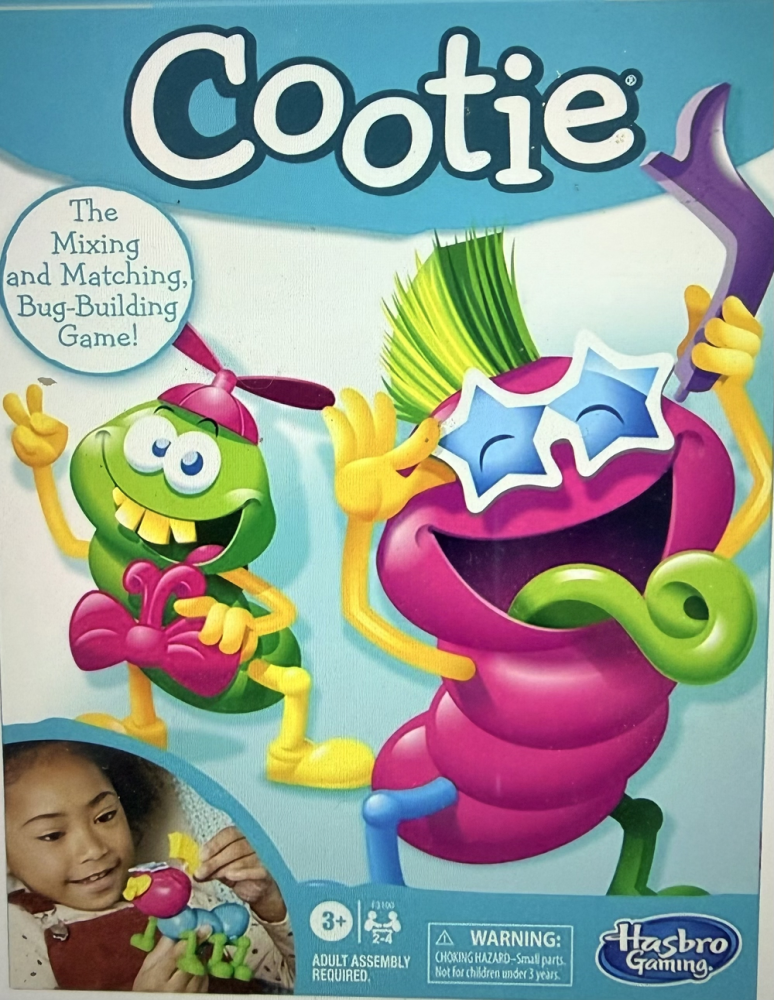
Cootie
The “Creative Construction” Game
- Ages: 3+
- Players: 2–4
- Time: 15 Minutes
- Objective: Be the first to fully assemble your colorful Cootie bug.
- Game Overview: Cootie is fantastic for visual matching and fine motor skills.
- How to Play: You roll a die to see which part you can add to your bug (a 1 is the body, a 2 is the head, etc.). Because you can’t add legs until you have a body, it teaches kids to wait for the right moment and follow a logical sequence.

Ants in the Pants
The “Patience and Precision” Game
- Ages: 3+
- Players: 2–4
- Time: 5–10 Minutes
- Objective: Be the first player to flip all four of your colored ants into the giant pair of “pants.”
- Game Overview: This is a physical dexterity game that rewards persistence. It’s perfect for children who get frustrated easily, as it takes a few tries to get the “flip” right.
- How to Play: Players take turns (or play simultaneously) pressing down on the tail of their plastic ants to make them hop. We love this for turn-taking because it’s easy to say, “I’ll try four flips, then it’s your turn!”
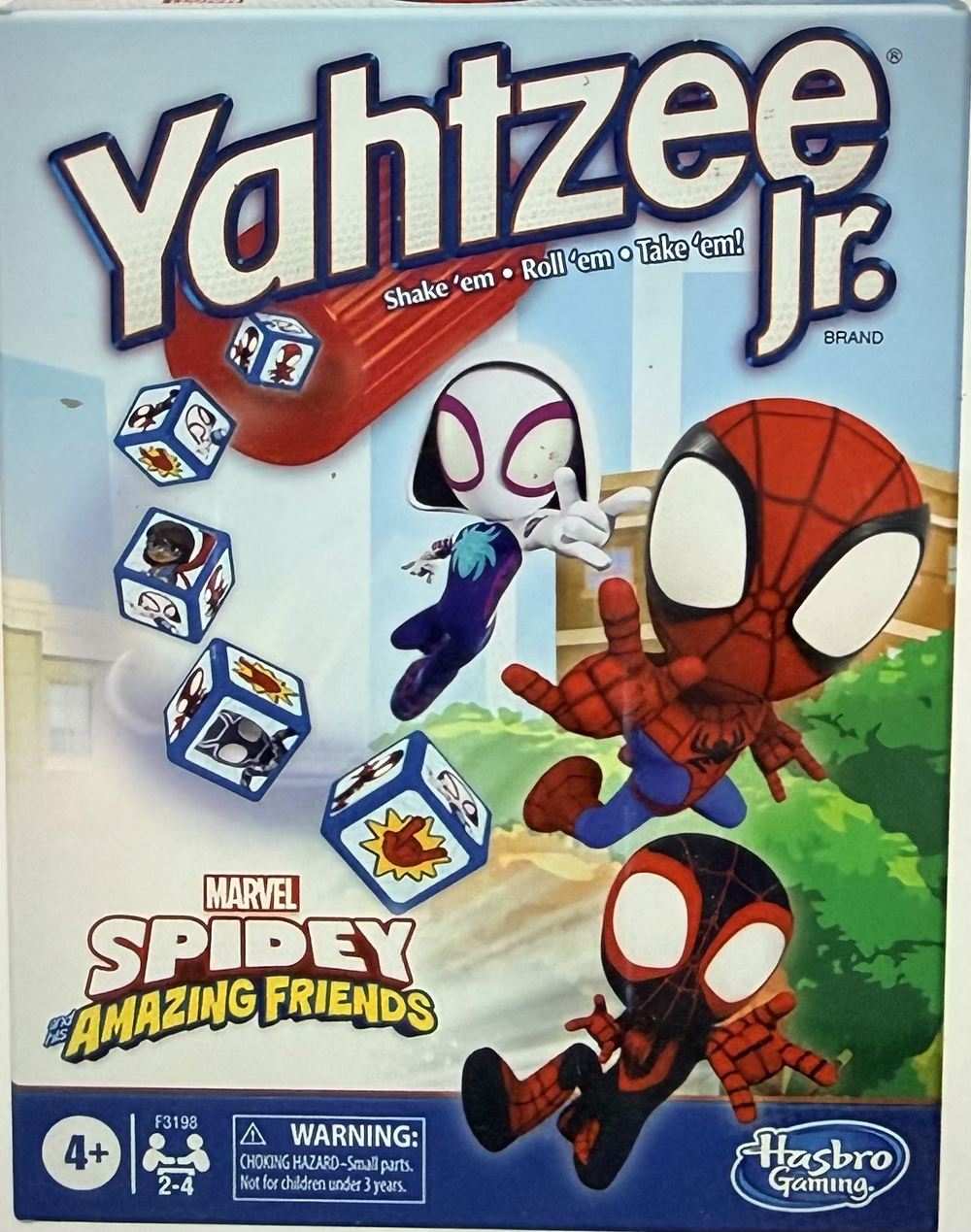
Yahtzee Jr. (Disney/Marvel Versions)
The “Introduction to Strategy”
- Ages: 4+
- Players: 2–4
- Time: 15 Minutes
- Objective: Score the most points by matching favorite characters on the dice to your scoreboard.
- Game Overview: This replaces the numbers of adult Yahtzee with pictures, making it accessible for preschoolers. Also a great option as a no-reading game.
- How to Play: On your turn, you roll the dice up to three times to get the best match for your board. It’s a great way to practice decision-making while waiting for others to finish their three rolls.
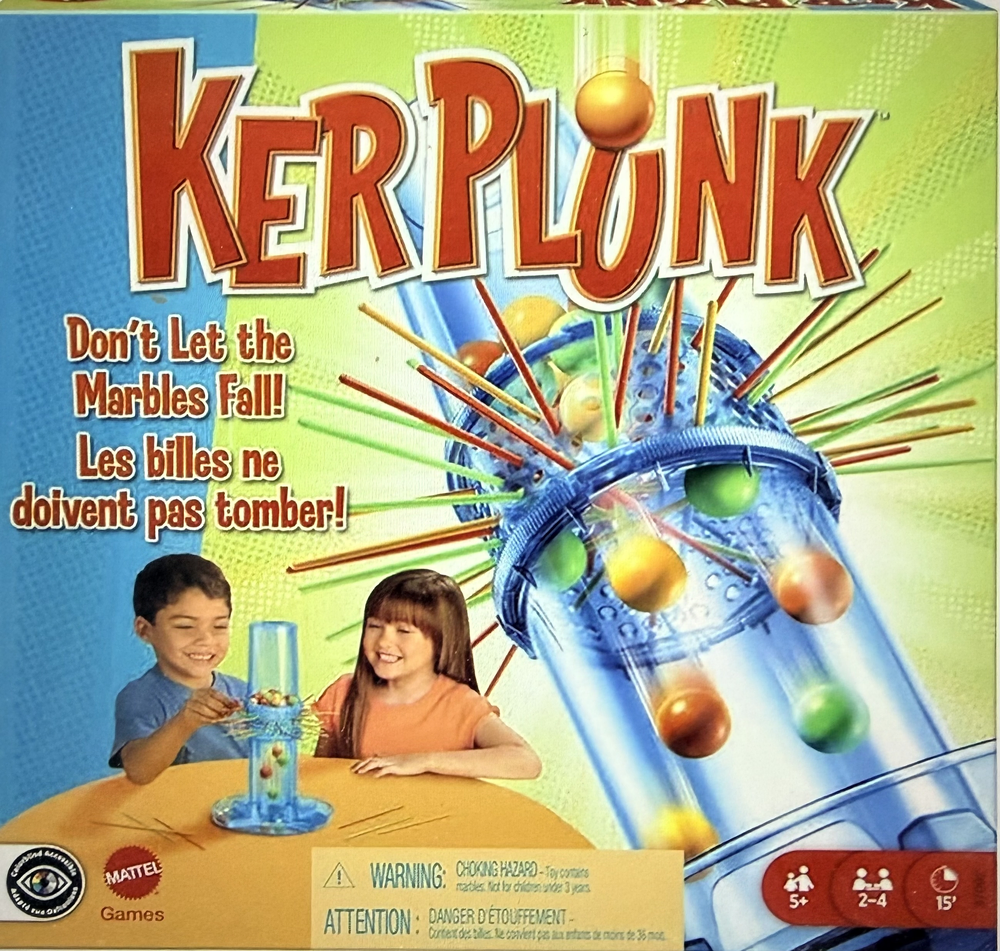
KerPlunk
The “Steady Hands” Challenge
- Ages: 5+
- Players: 2–4
- Time: 15–20 Minutes
- Objective: Have the fewest marbles in your tray by the end of the game.
- Game Overview: This is a suspenseful game where you pull sticks out of a tube while trying not to let the marbles fall.
- How to Play: We take turns carefully pulling one stick at a time. This is a brilliant fine motor skills and social skills game because every player has to be quiet and still while someone else takes their turn, or they might accidentally knock a marble loose!
- Rule variations: Our House Rules
- The Marble Collector: The winner is the player with the most total marbles.
- Color Master: Challenge kids to collect the most of a specific color.
How to Teach Kids to Share FAQ's
“How can I help my child wait their turn without getting upset?” I’ve found that giving them a “job” during my turn helps! Let them be the “Dice Master” who hands the dice to the next person. Or, let them count the marbles dropped in KerPlunk for each player. It keeps them involved in the action even when it’s not their time to move.
“What do I do if my child wants to quit when they start losing?” Games like Chutes and Ladders are perfect for this. Remind them that “everyone slides sometimes,” and focus on the fun of the spin rather than the position on the board. Turn the question around: “What would you say to me if I lost?” Which can hopefully create a discussion around trying again, or you did your best, etc.
“Why is board game play better than an app for sharing?” Apps are usually solo experiences. Board games require face-to-face interaction, which is the only way kids can see the facial expressions and emotions of their playmates. That “eye contact” is where empathy starts.
Tips for How to Teach Kids to Share—Game Plan
- The Golden Rule: “Turns,” Not “Sharing”
- The Evidence: Research shows toddlers view toys as part of their identity. “Sharing” feels like losing a piece of themselves forever.
- The Strategy: Use the phrase “Taking Turns.” This creates an “Order of Operations” that guarantees the child will get the item (or the dice) back.
- What to Say: “It is my turn for 60 seconds, then it is your turn for 60 seconds. See? You always get it back!”
- Give the “waiter” a Job
- The Problem: Most meltdowns happen during the “gap” when someone else is playing.
- The Strategy: Assign a Secondary Role to the child whose turn it isn’t.
- What to Say: “While it is Daddy’s turn, you are the Dice Master. Your job is to catch the dice and hand them to the next player,” or “Can you help me count my spaces?”
- Normalize the “Oops” Moments
- The Evidence: Games like Chutes and Ladders or Ants in the Pants build frustration tolerance.
- The Strategy: Narrate your own setbacks to model resilience.
- What to Say: “Oh man, I landed on a slide. That’s a bummer, but that’s just how the game goes. I’ll try again next turn.”
- Use the “Timer Trick”
- The Strategy: If a specific game piece is causing a fight, use a visual sand timer or a kitchen timer. You could even have a speed KerPlunk game. So no thinking or analyzing, just quickly pull all sticks within 1-2 mins.
- Why it Works: It moves the “blame” from the parent to the timer. The timer is the neutral referee.
- Quick Script: How to Praise Progress
Instead of a generic “Good job,” use Specific Positive Reinforcement:
- “I noticed how you waited for your brother to finish his move before you grabbed the spinner. That was very kind.”
- “You handled that slide like a pro. I’m proud of how you stayed in the game.”
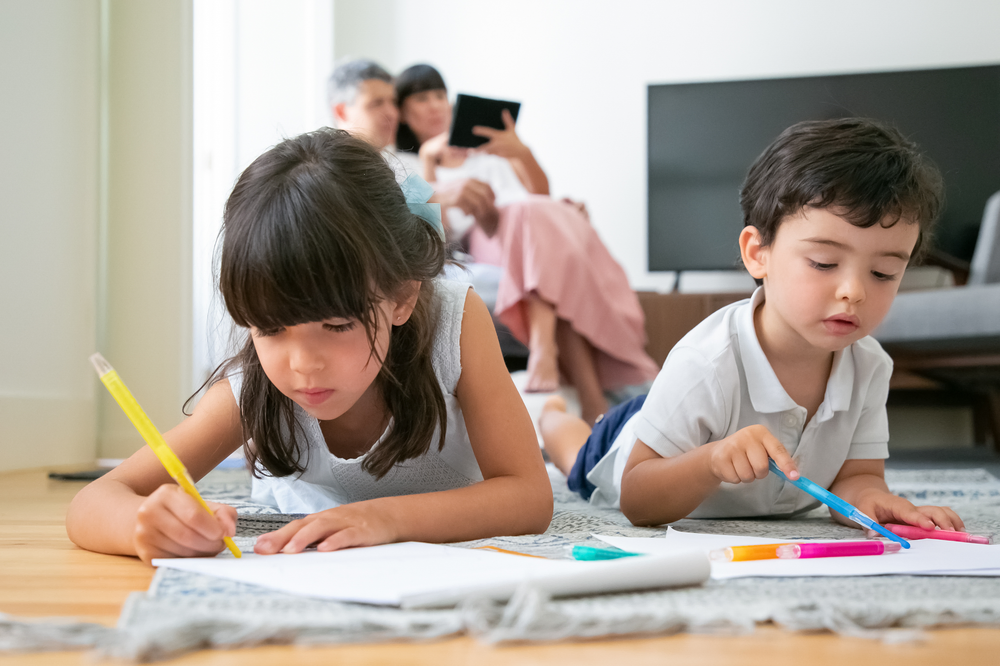
The Science: Why Kids Struggle to Share
According to the American Academy of Pediatrics (AAP) and child development specialists, toddlers view their toys as an extension of themselves.
- Lack of Empathy: Children under 3 often cannot yet understand that others have different feelings or desires (Great Kids Inc).
- The “Mine” Phase: This is actually a sign of healthy development! It shows your child is beginning to recognize themselves as an individual with their own possessions (Anna Freud Centre).
Evidence-Based Strategies to Teach Sharing
Research suggests that instead of “forcing” a child to give up a toy, parents should focus on structured turn-taking.
- Use “Turn-Taking” Instead of “Sharing”: Experts recommend the term “taking turns” because it implies the child will eventually get the item back, which reduces anxiety (Anna Freud Centre).
- Practice with Cooperative Play: Studies published in the Journal of Early Childhood Education highlight that cooperative games increase prosocial behaviors like helping and complimenting others (Child Development Clinic).
- Model and Praise: The Raising Children Network notes that children learn sharing primarily by watching their parents. Giving specific praise like, “I loved how you waited for your turn on the slide!” reinforces the behavior (Raising Children Network).
Why Board Games Work (The Evidence)
Board games provide a “safe laboratory” for social skills.
- Impulse Control: Games like Hungry Hungry Hippos or Ants in the Pants require kids to manage their excitement and follow a set structure, which builds the frontal brain functions responsible for self-regulation (Kinderpedia).
- Face-to-Face Interaction: Unlike apps, tabletop games require children to read social cues and utilise eye contact, which are foundational for empathy (XceptionalLEARNING).
Keep Exploring Games for 3-5 years Olds
- How to improve fine motor skills and social skills in children? Read an Occupational Therapist points in this article.
- Games for children who hate to lose.
- Get creative and challenge your family to the 30- Day Challenge
- Best word games to teach phonics and basic letter reading.
- Get an early start on the best educational math games.
- Or explore giant games for outdoor adventures.
- Thrilling games for 3-5 year olds.
- Best Budget-Friendly Board Games for Family Gifts