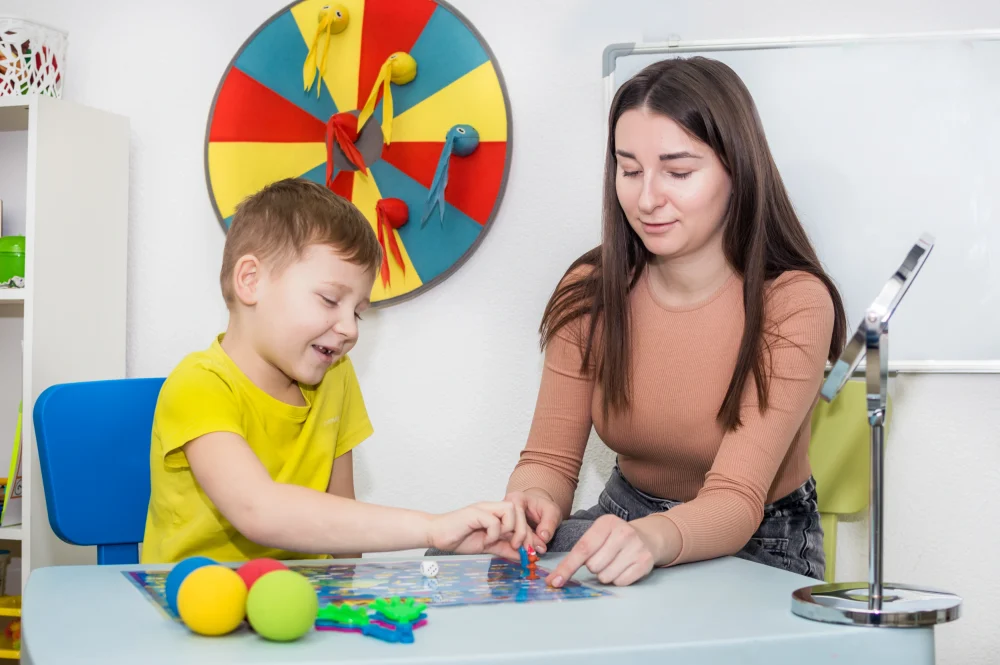
What if family game night could secretly build your child's fine motor skills?
Fine motor skills activities for kids are the small but essential movements children use in their hands and fingers. These skills are what allow kids to do everyday tasks like holding a pencil, using scissors, buttoning clothes, and picking up small objects.
If you’ve ever wondered how to improve fine motor skills in children, you’re not alone. Many parents search for fine motor skills activities for kids, toddlers and preschoolers, especially when handwriting, grip strength, or coordination becomes a concern.
The good news? Fine motor development doesn’t need to feel like therapy. The best progress often happens through play, games, and everyday activities at home
Learn, how to improve fine motor activities and other child development skills with these occupational therapy games, tips, and board game recommendations.
As an Occupational Therapist with experience in pediatrics, I’ve discovered that one of the most powerful tools we have to help children is often hidden on the shelves of any home: board games. Beyond their recreational value, these colorful boxes contain therapeutic tools that can transform child development when used intentionally.
Board Games can Support Child Development in the Following Areas
In my practice, I work with children ranging from preschoolers (3-5 years old) to preteens (10-12 years old), adapting games to each developmental stage. Common reasons for consultation include:
- Parental concerns: Seeking support for fine motor skills (writing, utensil use), emotional regulation (tantrums, frustration), or social skills (shyness, sharing difficulties).
- School referrals: Teachers report challenges with attention deficits, difficulty following instructions, or logical reasoning struggles.
- Current developmental gaps: Many children today show:
- Lower frustration tolerance (due to overprotective parenting or excessive screen time).
- Poor planning and organization skills (impact of digital immediacy).
- Underdeveloped fine motor skills (from fewer hands-on activities like cutting or drawing).
The Benefits of Board Games
In my clinical practice, I’ve seen how children who initially resisted working on certain skills become enthusiastic when we bring out a board game. The magic lies in the fact that while they believe they’re simply playing, they’re actually:
- Developing executive functions by planning strategies in games like Catan Junior.
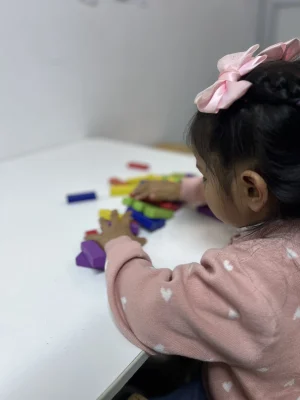
- Improving fine motor skills while practicing fine motor activities with small pieces in Jenga.
- Practicing emotional regulation when learning to handle the frustration of losing.
- Strengthening social skills through negotiation and turn-taking in cooperative games.
Fine Motor Skills Activities for Kids (The Fun Way to Build Skills)
One of the most effective ways to support fine motor development at home is through play-based learning. Fine motor skills games for kids naturally build hand strength, coordination, and dexterity without feeling like structured “practice.”
In my clinical practice, I’ve seen how children who initially resist targeted fine motor work often become highly engaged when we introduce games—especially board games. The magic lies in the fact that while they believe they’re simply playing, they are actually building foundational developmental skills in a meaningful and motivating way.
Many games naturally combine multiple developmental goals at once, making them especially powerful for occupational therapy–informed support.
Card games
Card games are a simple but powerful tool for developing hand control and dexterity.
They involve:
- dealing cards
- sorting suits or numbers
- gripping and holding small stacks
These actions strengthen finger muscles, improve in-hand manipulation, and support controlled hand movements needed for writing and classroom tasks.
Our Picks:
Matching Games , Go Fish Card Game, UNO Junior.
Building games (LEGO, blocks, construction sets)
Building activities are excellent for developing both strength and coordination.
They support:
- hand strength through pushing and pulling pieces
- bilateral coordination (using both hands together)
- precision and planning skills
From a clinical perspective, construction play also supports problem-solving and persistence, especially when children need to correct or rebuild structures.
Board games (fine motor + executive function powerhouses)
Board games are particularly powerful because they combine fine motor practice with cognitive and social development.
Many board games that improve fine motor skills require:
- picking up small pieces
- moving tokens across a board
- rolling and handling dice
- placing and organising components accurately
In practice, I’ve seen how board games naturally embed therapeutic goals without resistance. For example, in games like Candy Land or Jenga, children are unknowingly working on multiple developmental areas at once.
While they are engaged in play, they are also:
- Developing executive functions by planning strategies and thinking ahead
- Improving fine motor skills through careful placement, grasping, and manipulation of small game pieces
- Practicing emotional regulation when learning how to cope with winning, losing, and frustration
- Strengthening social skills through turn-taking, negotiation, and cooperative or competitive play
This combination is what makes board games such a powerful developmental tool.
Tweezers and pick-up games
Activities that use tools like tweezers, tongs, or chopsticks are excellent for targeted fine motor strengthening.
They develop:
- pincer grasp
- finger isolation
- wrist stability and control
Our picks :
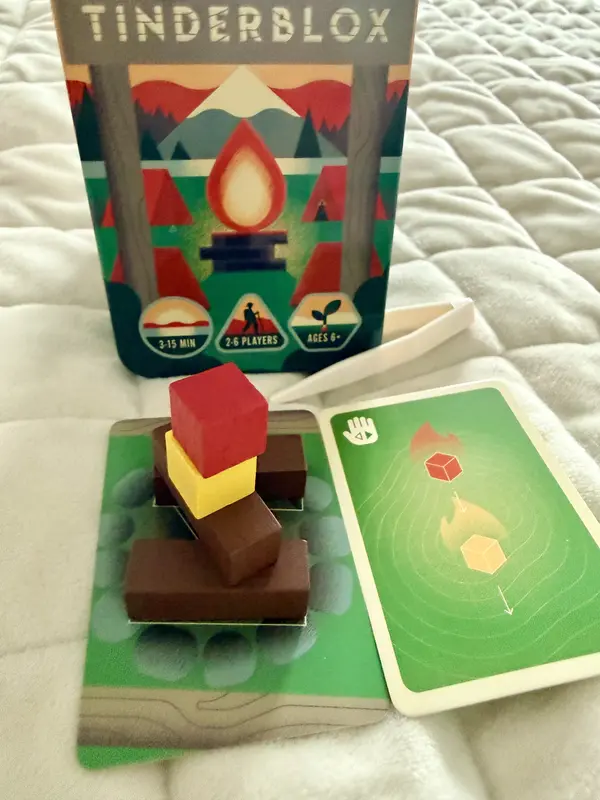
Tinderblox, Kittin, Golden Gate (a New soccer game from All Play Games), Barbecubes (small game with the use of tweezers cooking food over a fire) and Catch the Moon (balance wooden ladders to Catch the Moon) and Award Winning Game by Learning Resources Noodle Knockout.
These skills directly support handwriting, utensil use, and classroom tool manipulation.
Threading and lacing activities
Threading-based games such as beads, lacing cards, and stringing activities are excellent for controlled hand movement.
They support:
- hand-eye coordination
- bilateral coordination
- sustained concentration and sequencing skills
From a developmental perspective, these activities also encourage patience and precision, which are key foundations for school readiness tasks.
Our Picks:
9 Pieces Kids Lacing Double Sided Cards – Animals. Melissa and Doug Lacing Beads, Site Word Swat
From Jenga to Integrated Skills—Case Study, Utilising Fine Motor Activities For Kids
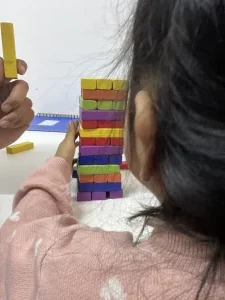
A 7-year-old student was referred by his school for writing difficulties (poor pencil grip) and low frustration tolerance.
Progression
- First session:
- Used standard Jenga to strengthen tripod grasp (thumb-index finger) and practice calm breathing when the tower falls.
- Weeks 2-4:
- Introduced color-coded Jenga (each color represented an action like “name an emotion”).
- Added a timer to improve processing speed under controlled pressure.
- Results at 2 months:
- Motor progress: Functional pencil grip (visible in schoolwork).
- Emotional growth: Transitioned from yelling when losing to saying “I’ll try again!”
Tips to Maximize Benefits of Board Games in Child Development
- Start with age-appropriate board games aimed at fine motor activities. eg Jenga, Tinderblox, Kitten, Nothing kills enthusiasm faster than a game that’s too complex.
- Be flexible with rules. If a child needs more time for their turn or fewer cards to manage, adapt the game to their needs.
- Focus on the process, not just the outcome. Celebrate efforts (“You handled that tough situation so well!”) rather than just victories.
- Use moments of frustration as learning opportunities. Losing is the perfect time to practice resilience which improves emotional regulation.
Integrating Play into Daily Life
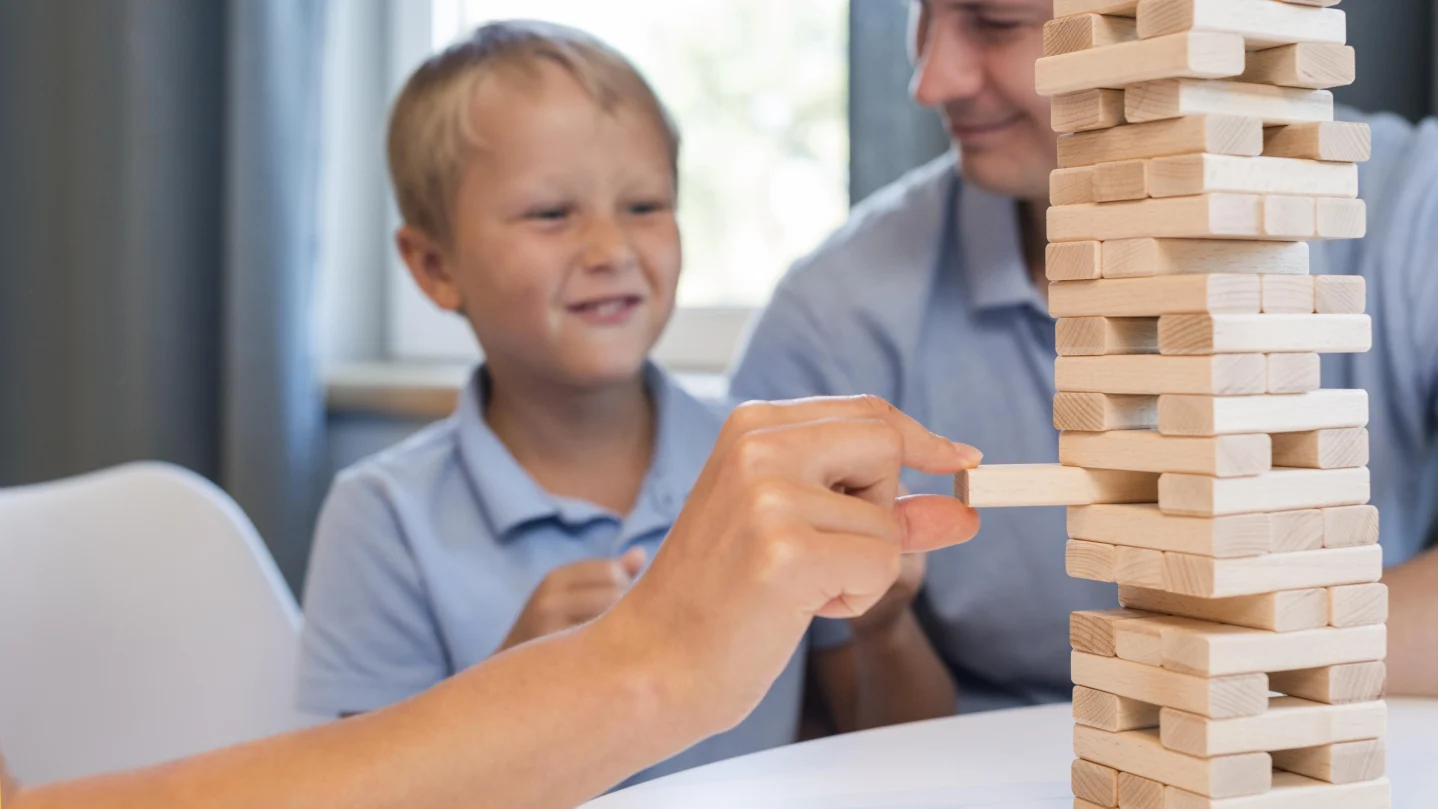
One of the most common questions I hear from parents is, “How can we continue this work at home?” The good news is that incorporating these therapeutic games, into family routines is easier than it seems:
- Establish a regular family “game night”.
- Alternate between competitive and cooperative board games.
- Observe which skills your child needs to work on and choose therapeutic games that reinforce them.
- Keep the atmosphere light and fun.
Final Thoughts on Benefits of Board Game for Fine Motor Skills and So Much More
The benefits of board games offer that perfect balance of fun and learning, making therapy as play easy. As a professional, my greatest satisfaction comes when children who initially struggled in therapy end up asking their parents to buy a specific board game because “the therapist said it’s good for me.” In that moment, I know we’ve turned therapeutic work into something the child chooses and enjoys—which is exactly the goal.
Ready to Play?
The next time you take out a board game with your children, remember: you’re doing much more than passing the time. You’re building skills that will stay with them for life.
Katherine's Quicks Tips on using Board Games at Home
Head over to our 3-5 year old page to find more board games to support growth, and be sure to check out these articles to support your child at home.
- Tinderblox – A campfire-building game with tweezers.
- Kittin – A quick dexterity game
- 5 of the best Educational Maths Board Games
- Enjoyable Board Games for 3 – 5 years
- Strengthen Preschoolers’ Vocabulary with these Word Games
Fine Motor Skills - Frequently Asked Questions
What are the best fine motor skills activities for toddlers?
Great options include playdough, stacking blocks, finger painting, and simple threading or sorting games.
How can I improve my child’s pencil grip?
Encourage hand-strength activities like squeezing playdough, using games with tweezers, and drawing regularly with short pencils or crayons.
When should I worry about fine motor delay?
If your child consistently struggles with writing, scissors, or everyday hand tasks compared to peers, it may be worth seeking occupational therapy advice.
What games help improve fine motor skills?
- Jenga
- Tinderblox
- Catch the Moon
- Uno Jr
- Matching
- Candy Land
Do board games really improve fine motor skills?
Yes. Many board games require precise hand movements, piece manipulation, and grip control, which help strengthen fine motor development through play.
Even more so they do it in a non threatening, pressured way.
Katherine
Occupational Therapist
Katherine is a registered Occupational Therapist who helps children strengthen fine motor skills through play-based learning. With a love for using board games as therapeutic tools, Katherine brings creativity and fun into building confidence and coordination.