
Why Educational Board Games Work for 3 to 5-Year-Olds
These educational board games go beyond simple play. They are designed to bridge the gap between “fun” and “functional learning,” capturing a child’s interest through stunning visuals and tactile pieces. Not only educational, but they also build that connection that kids love to have with their parents/caregivers.
Core Skills They Build:
Early Academics: Counting, matching, shapes, and alphabet/number recognition.
School Readiness: Learning to follow rules, sit still, and wait for a turn.
Emotional Growth: Practicing patience and handling the “ups and downs” of winning and losing.
The Power of Connection
Never underestimate that children respond best to learning when they feel connected. There is nothing better for a growing brain than dedicated one-on-one time with a parent or caregiver. Board games create a safe, happy space for this bond to grow.
Looking for fun educational board games for children a bit older? Check out our 6-9 year old category. Or maybe budget gifts for preschoolers.
I am an Amazon Affiliate. If you click on a link, I may earn a commission. This doesn’t impact this price on you, and board game recommendations are my own choice based on research, experience, and recommendations.
Educational Board Games Recommendations Overview
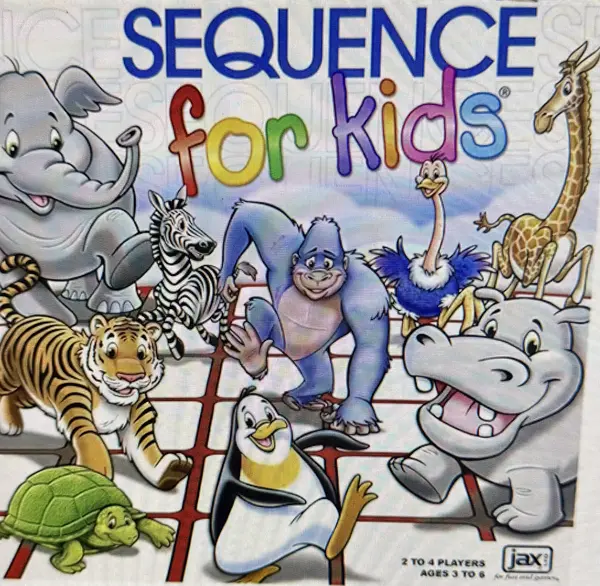
Sequence For Kids
- Best For: Logical and critical thinking/planning and strategy
- Skills: Pattern recognition and planning
- Age: 3–6
- The Objective: Be the first player to place 4 chips in a row (horizontal, vertical, or diagonal).
Pro Tip: Watch out for Bonus Cards!
- The Dragon: Allows you to remove one of your opponent’s chips from the board.
- The Unicorn: A “Wild” card that lets you place a chip anywhere you want.Animal Identification: A fun way to name and recognize various animals while playing.
How to Play Sequence for Kids in 4 Easy Steps
- Deal: Each player receives 3 cards. Place the remaining deck in the center.
- Match: On your turn, play a card from your hand and place a chip on the matching animal tile on the board.
- Draw: Pick up a new card from the deck to end your turn.
- Win: Reach 4 chips in a row to claim victory!

Yeti in My Spaghetti
- Best For: Fine motor skill development
- Skills: Concentration and steady hands
- Age: 4+
How to Play Yeti in My Spaghetti
- The Setup: Place the bowl on a flat surface. Lay the 30 noodles across the top of the bowl in a random, crisscross pattern.
- The Perch: Gently set the Yeti right in the center of the noodle pile.
- The Action: On your turn, choose one noodle and carefully remove it by sliding, pulling, or lifting it out.
- The “Touch” Rule: If you touch a noodle, that is the one you must remove!
- The Goal: Keep removing noodles one by one. If the Yeti falls all the way to the bottom of the bowl on your turn, the game is over and you lose.
Who Wins? The winner is the last person who successfully removed a noodle before the player who made the Yeti fall!

Candy Land
- Best For: Early color recognition
- Skills: Matching and following directions. Turn Taking
- Play Time: 15–20 Minutes
- Reading Level: None (Icon/Color based)
- Age: 3+
How to Play Candy Land
- The rules are simple enough for a 3-year-old to memorize instantly:
- The Draw: On your turn, pick the top card from the deck.
- The Move: * Single Color: Move your gingerbread man to the very next space of that color.
- Double Color: Move to the second space of that color.
- Picture Card: Move directly to that specific landmark (like the Peppermint Forest!).
- The Goal: The first player to travel the 134 tiles and reach the Candy Castle wins!
Why Parents Love It (The Educational Twist)
While children see gumdrops and lollipops, they are actually practicing vital developmental milestones:
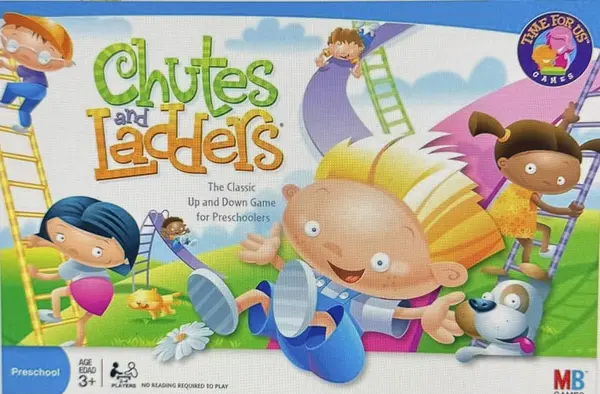
Chutes and Ladders
- Best For: Early math and social skills
- Skills: Number counting and sportsmanship
- Age: 3+
The Basic Rules, How To Play Chutes and Ladders
- The Spin: Spin the spinner and move your pawn the exact number of spaces shown.
- The Ladders: Land at the bottom of a ladder? Move straight up to the top and skip ahead!
- The Chutes: Land at the top of a slippery chute? Slide all the way back down to the bottom.
How to Win (The Rule Everyone Forgets!)
Many players think you just need to pass 100, but to officially win:
- You must spin the exact number to land on square 100.
- If your spin is higher than the spaces remaining, you stay where you are and try again on your next turn.
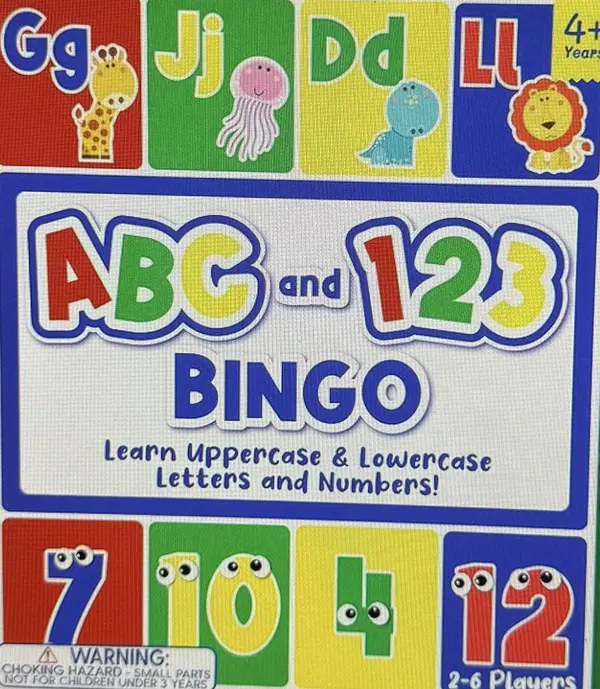
Bingo Numbers and Letters
- Best For: Learning Math and Letters
- Skills: Number counting and alphabet
- Age: 4+
- Number of Players: 2-6
How to Play: Bingo Numbers and Letters
The Cards: Each player gets a scorecard featuring a mix of letters (A-Z) and numbers (usually 1-20).
The Draw: Place the letter/number tokens in a bowl or the provided box. Draw one token at a time and call it out clearly (e.g., “Big ‘A’!” or “The number 5!”).
The Match: Children look for the matching symbol on their card. If they have it, they cover it with a chip or token.
The Win: The first player to cover a full row (or the entire card, depending on how long you want to play) yells “BINGO!” to win.
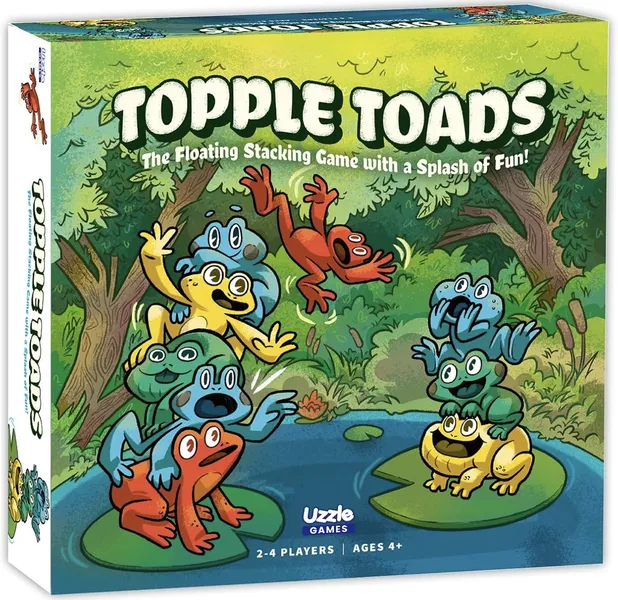
Topple Toads
A stacking game with high stakes! It’s easy to learn but keeps everyone on the edge of their seats until the very last second.
- Ages: 4+
- Players: 2–4
- Play Time: 10 mins
- Skills: Hand-Eye Coordination, Risk Assessment, Strategy
How to Play Topple Toads
The Objective: Build the tallest tower of colorful toads without letting them fall.
The Turn: Each player adds one toad to the growing stack. You have to consider the weight and the “wobble” of the toads already there.
The Strategy: Do you place yours flat and safe, or on an angle to make it harder for the next player?
The Win: The game ends as soon as the tower topples. The last player to successfully place a toad without it falling is the winner!
Noodle Knockout
Perfect for kids who love “playing kitchen.” It’s also a secret workout for the hand muscles needed for writing.
- Ages: 4+
- Players: 1–4
- Play Time: 15 mins
- Skills: Fine Motor Coordination, Counting, Sorting
How to Play Noodle Knockout
The Setup: Toss all the “ramen” noodles and toppings into the large bowl.
The Order: Each player takes an order card showing what they need to collect.
The Chopsticks: Using the special kid-friendly chopsticks, players race to snag their noodles and toppings.
The Chili Pepper: If you spin the chili pepper, you can add it to an opponent’s bowl to make them “spill” and start over!
The Win: Be the first to complete your ramen order exactly as shown on the card.
Raccoon Rumpus
A fast-paced, silly game that feels like a costume party. It’s one of the best ways to teach colors and shapes without it feeling like a “lesson.”
- Ages: 3+
- Players: 2–4
- Play Time: 10–15 mins
- Skills: Color Matching, Patience
How to Play Raccoon Rumpus
The Setup: Spread the 20 costume cards in the center and give every player a raccoon card.
The Roll: Roll the jumbo color die and the costume die (e.g., “Blue” and “Pants”).
The Match: Find a costume card that matches both (like a Doctor in blue pants) and “dress” your raccoon.
The Underwear Rule: If you roll the underwear icon, your raccoon is embarrassed and loses all his costumes!
The Win: The first player to collect 5 costume cards wins.

Hamster Hammock
If you need a “wind-down” game before bed, this is it. It’s quiet, intense, and requires a very steady hand.
- Ages: 5+
- Players: 2–4
- Play Time: 15 mins
- Skills: Dexterity, Physics/Balance, Patience
How to Play Hamster Hammock
The Setup: Set up the wobbly hammock net between the two legs.
The Turn: Roll the die to see which hamsters you need to add to the hammock.
The Balance: Carefully place your hamsters on the net. If they stay, your turn is over.
The Tumble: If the hammock tilts and hamsters fall on your turn, you have to take them back!
The Win: Be the first player to get all of your hamsters “resting” safely on the hammock or beach towels.
Educational Board Games Benefits
Investing in the right educational board games is one of the best ways to support your child’s development through play. These “stress-free” titles are more than just entertainment; they are essential tools for early childhood milestones.
Key Developmental Benefits:
Fine Motor Skills: Handling small pieces and moving tokens builds hand-eye coordination.
Social Skills: Learning the “art of the turn” builds patience and emotional regulation.
Cognitive Growth: Games that involve counting and matching prepare children for the classroom.
Thoughtful Play: Strategic thinking at a young age encourages problem-solving and focus.
Whether you are looking for a way to wind down before bed or a high-energy activity for a rainy afternoon, these educational board games for kids provide the perfect balance of learning and family connection.
Next Steps for Your Little Gamer
Explore More by Age: Find tailored recommendations for the 3–5 Year Old Age Group here.
Expert Advice: For a deeper dive into the science of play, read this article by an Occupational Therapist on how board games specifically improve fine motor skills and sensory processing.
Word Games: Find fun, easy word games to help with spelling, letter recognition, and phonics.
How to Teach Emotional Regulation in Children.
Browse All Categories: Check out our latest Family Game Night Ideas to find your next favorite tabletop adventure.