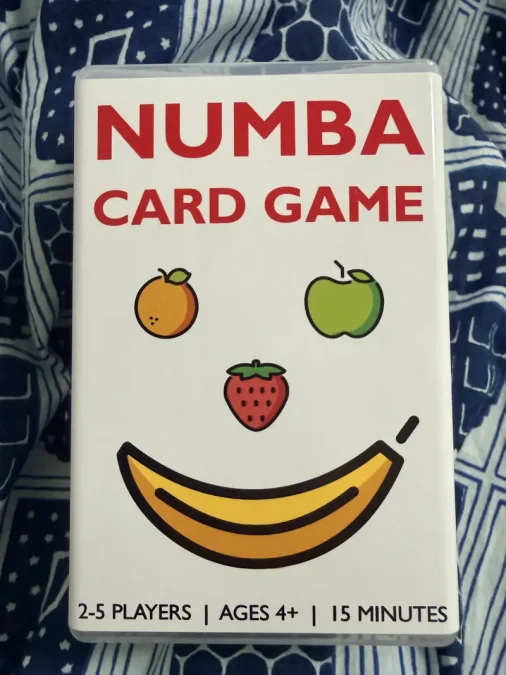
Numba Card Game Review: A Fun Maths Game for Preschoolers and Families
The Numba Card Game makes maths not feel like homework. In fact, some of the best number skills are developed through play. That’s where Numba Card Game comes in.
Designed for children aged 4 and up, Numba Card Game combines counting, number recognition, addition, and quick thinking into a fast-paced card game that the whole family can enjoy. Rather than sitting down with worksheets, children learn by matching numbers and fruit cards while racing to be the first player to spot the correct answer. According to the game’s creators, Numba Card Game teaches counting, addition, and subtraction through simple gameplay that is easy for young children to understand.
If you’re searching for maths games for preschoolers, educational maths games for families, or a fun way to reinforce early numeracy skills, Numba Card Game is worth considering.
What Is Numba Card Game?
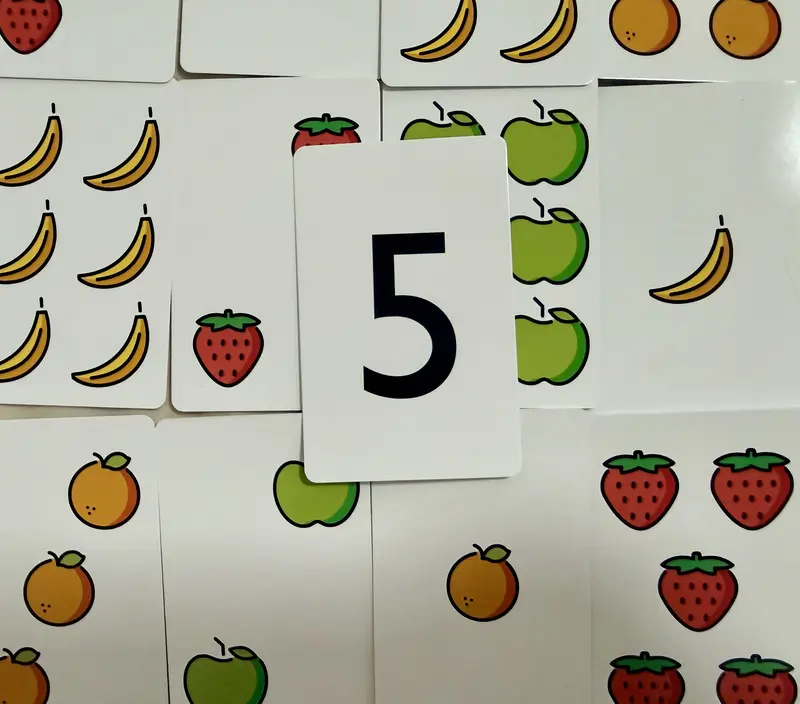
Numba Card Game is a family-friendly educational maths card game where players try to identify when the total number of matching fruits equals the target number card in the centre of the table. When a player spots a match, they shout “Numba!” and collect the cards. The goal is to collect all the cards and become the winner.
Game Overview
Feature | Details |
Players | 2–5 Players |
Recommended Age | 4+ |
Play Time | Around 15 Minutes |
Game Type | Maths Learning Games, Travel Game. |
Skills Developed | Counting, Addition, Subtraction, Number Recognition, Observation |
Best For | Families, Preschoolers, Early Primary Students |
The short playing time also makes it ideal for busy families, classroom brain breaks, and travel.
How to Play Numba Card Game
Numba Card Game is easy to learn and can usually be taught in just a few minutes.
Setup
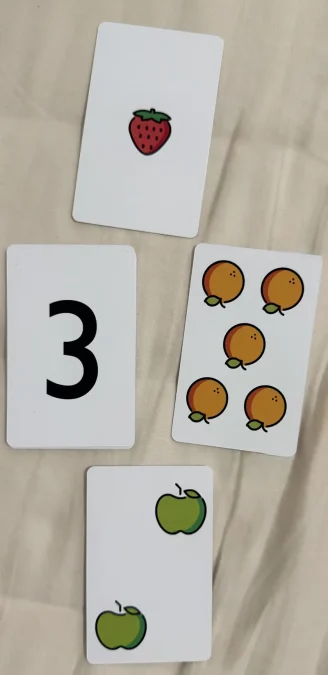
- Place the number cards face up in the centre of the table.
- Shuffle the fruit cards and deal them evenly among the players.
- Players keep their cards in a face-down stack.
Gameplay
On each turn, players reveal cards from their stacks.
As fruit cards appear, everyone watches the table and quickly counts the matching fruits. The goal is to identify when the total number of matching fruits equals one of the number cards in play.
When a player spots a match, they shout “Numba!” and claim the cards.
Because all players are searching for matches at the same time, the game becomes a fun race of counting, observation, and quick thinking.
Winning the Game
The game continues until all cards have been claimed. The player with the most cards at the end of the game wins.
Frequently Asked Questions
Both players draw a card and the player with the highest card takes the win.
The player who won that number card, can choose to turn over a new card or keep the same card.
Yes, we aren’t fans of elemination type games for younger kids because we find if they are sitting around waiting for the game to finish, they might drift off and do something else.
So as soon as one person is out, we end the game. The person with the most cards wins at that time.
Yes, absolutely. It comes in a little plastic box so the box and the cards don’t get damaged.
The cards are smaller than a normal pack of cards, but the box is thicker (maybe not quite double the thickness of a normal pack of cards), so it’s the perfect small game for travel.
Educational Benefits of Numba Card Game
Many educational games struggle to balance learning with fun. Fortunately, Numba manages to do both.
As children race to spot matching fruit combinations and number totals, they naturally practise important early maths skills without feeling like they’re completing a lesson.
Builds Number Recognition and Counting Skills
Throughout the game, players repeatedly identify numbers and compare quantities. As a result, preschoolers and early primary students strengthen their understanding of numbers while developing greater confidence with counting.
Encourages Mental Maths
Rather than relying on worksheets or calculators, children are constantly adding quantities in their heads to find matches before their opponents. Consequently, they develop mental maths fluency through active play.
Improves Focus and Observation
Because the game moves quickly, players must stay alert and carefully watch the cards on the table. This helps improve concentration, visual scanning, and attention to detail.
Makes Maths More Enjoyable
Perhaps most importantly, Numba creates positive experiences with numbers. Instead of viewing maths as a school subject, children begin to associate it with fun, family time, and friendly competition.
Furthermore, the fruit-themed cards help make numbers more concrete. Rather than working with abstract numerals alone, children connect quantities to visual representations, an important step in developing strong number sense.
Why We liked it and Why we Recommend Numba Card Game
- When we tested Numba Card Game, we were surprised by how much fun our family had, even our teenager.
- We enjoyed the fast-paced nature of the game; even though it’s not as fast with younger children, it’s still highly enjoyable. Note: We can be fiercely competitive in our family, so it was fast and furious.
- We found that the combination of counting, addition, quick thinking, and family-friendly gameplay makes it an excellent choice for preschoolers, early primary students, and families who want to make maths more engaging.
- The cards are clean and clear for use. I wasn’t the biggest fan of the plastic cards, but I think they may be best for younger children to prevent damage.
- Our family had a lot of laughs with this, mainly because my boys kept saying the actual number of the card instead of calling “Numba”, which worked in my favour!