
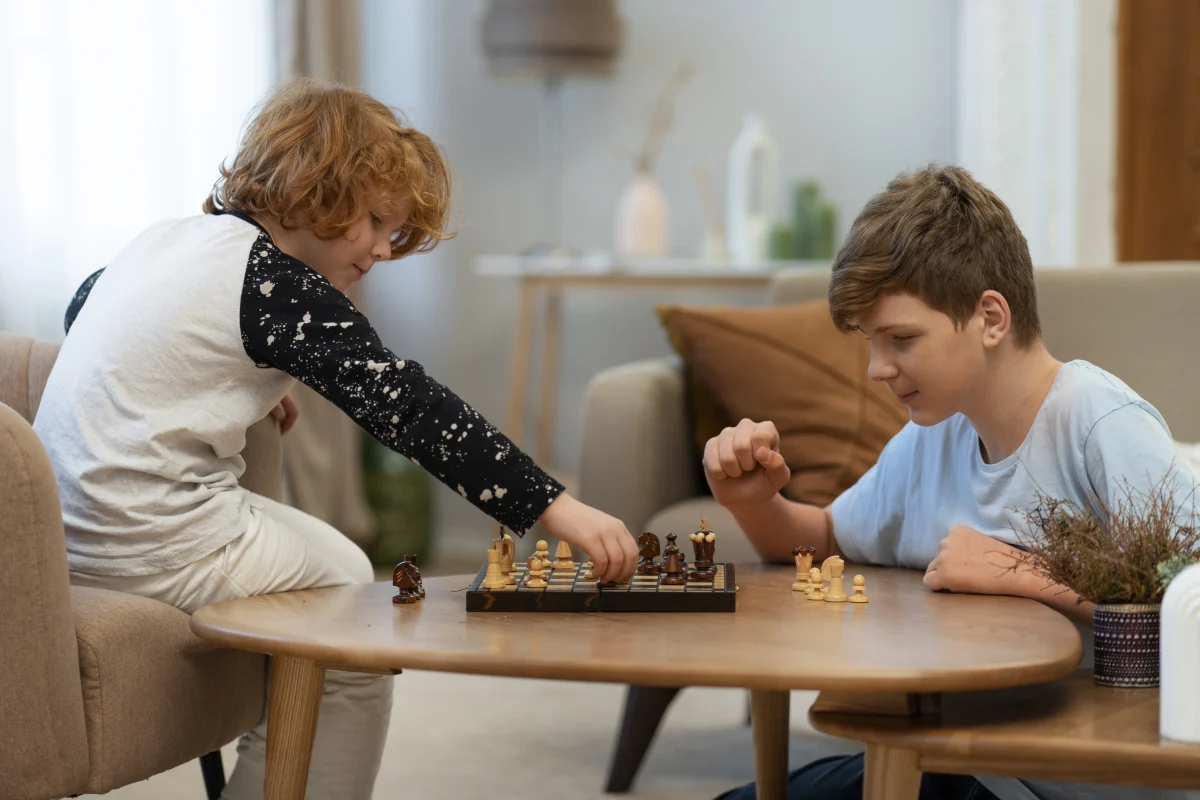
10 Amazing Benefits of Board Games for Teens: The Ultimate Screen-Free Guide
Understanding the benefits of board games for tweens and teenagers makes it easier to prioritize the time needed for play. While digital entertainment often takes the driver’s seat, these screen-free family activities offer far more than just a break from technology—they are vital for healthy brain development and emotional security.
Why Tabletop Games are Worth the Effort for Teens
If you are looking to introduce unplugged family fun into your home, focusing on these developmental benefits makes the effort rewarding for everyone.
Powerful Developmental Tools: These games serve as a foundation for building social skills and sharpening executive function.
Meaningful Interaction: Unlike social media, board and card games provide the face-to-face teamwork that apps often lack.
"How Can I Connect with My Teenager?" Use Micro-Connections
Parenting expert Maggie Dent highlights that a teenager’s greatest fear is often that their parents will stop loving them when they struggle. Since every child has a different “love language,” tabletop games serve as a powerful tool for showing unconditional love.
Strengthening Social Connections Through Play
Tweens and teenagers are at a critical stage of social-emotional growth.
Constant Connection: I’ve found that playing together proves that no matter how difficult the day was, you still value their company.
Building Security: Dent emphasizes that working on “micro-connections”—like a quick 15-minute card game—helps a child feel loved and safe.
The Power of Presence: Even if your teen isn’t ready to talk, showing up at the table for interactive games proves you care.
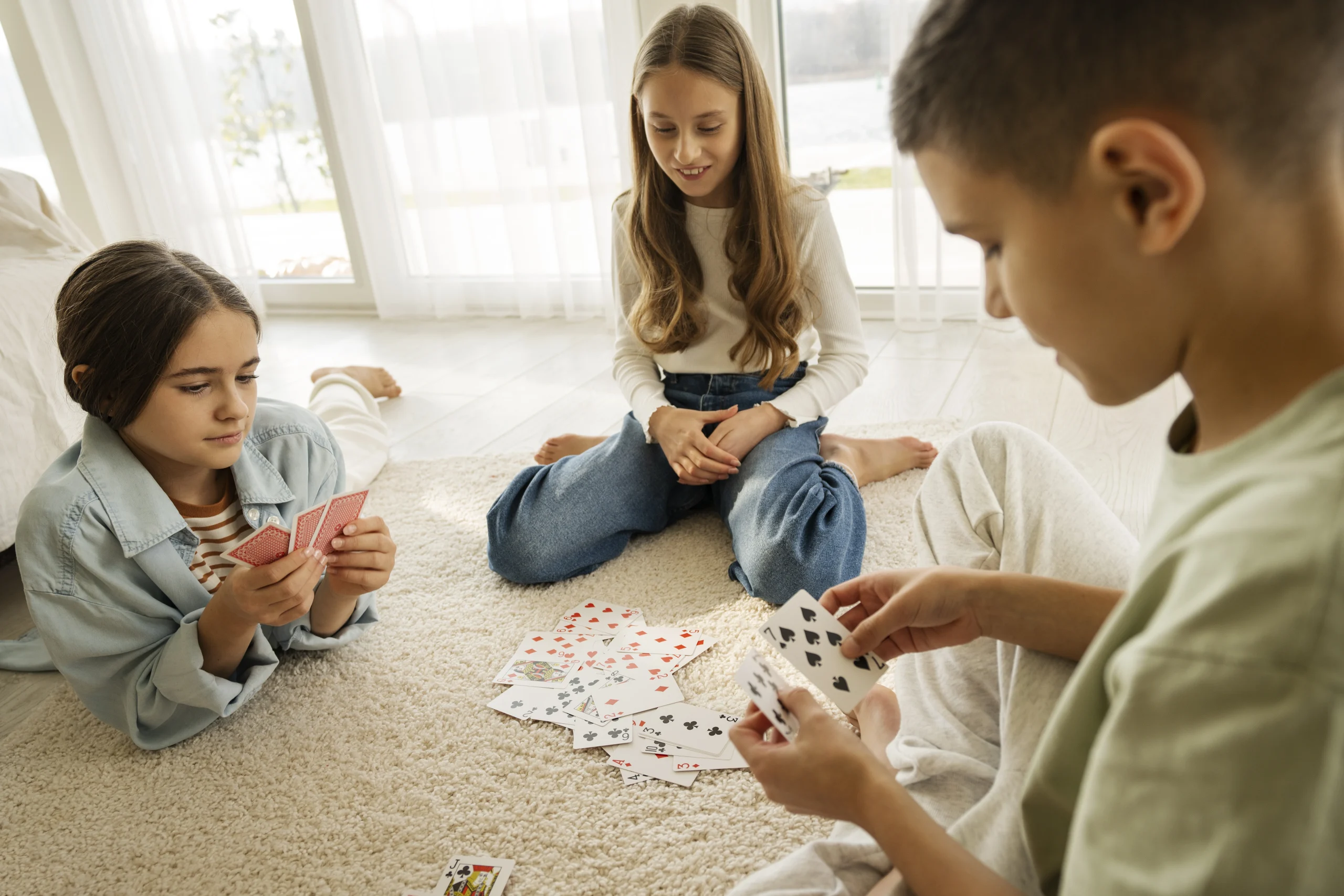
"Can Board Games Help with School?" Improving Cognitive Skills
The benefits of board games provide vital mental stimulation that supports academic success. These educational games for teens combine fun with focus.
Executive Function & Critical Thinking: Strategy games like Chess and Rummikub require deep logical reasoning and planning several moves ahead.
Memory & Patterns: Titles like Azul or Clue test pattern recognition and working memory.
“What are the Best Cooperative Games for Siblings?”
If you want to move from “I” to “We,” cooperative board games are the answer. They require players to work together toward a common goal, making them the best low-conflict activities for siblings.
Key Skills: Communication, collective strategy, and resource management.
Top Picks: Pandemic, Forbidden Island, and Codenames Duet (an excellent 2-player board game for adults and teens).
Solving the Screen Time Struggle: A Necessary Digital Break
In a digital world, families often face “digital burnout.” Engaging in screen-free family activities reduces the anxiety associated with excessive social media use.
Expert Insight: Researchers note in “Effects of Excessive Screen Time on Child Development” that high screen use can impact language development and sleep quality. Switching to a physical board game fosters face-to-face interaction that apps simply cannot replicate.
I also find that board games before bedtime are a great way to wind down, relieve some of that stress from the day, and help reset for the night.
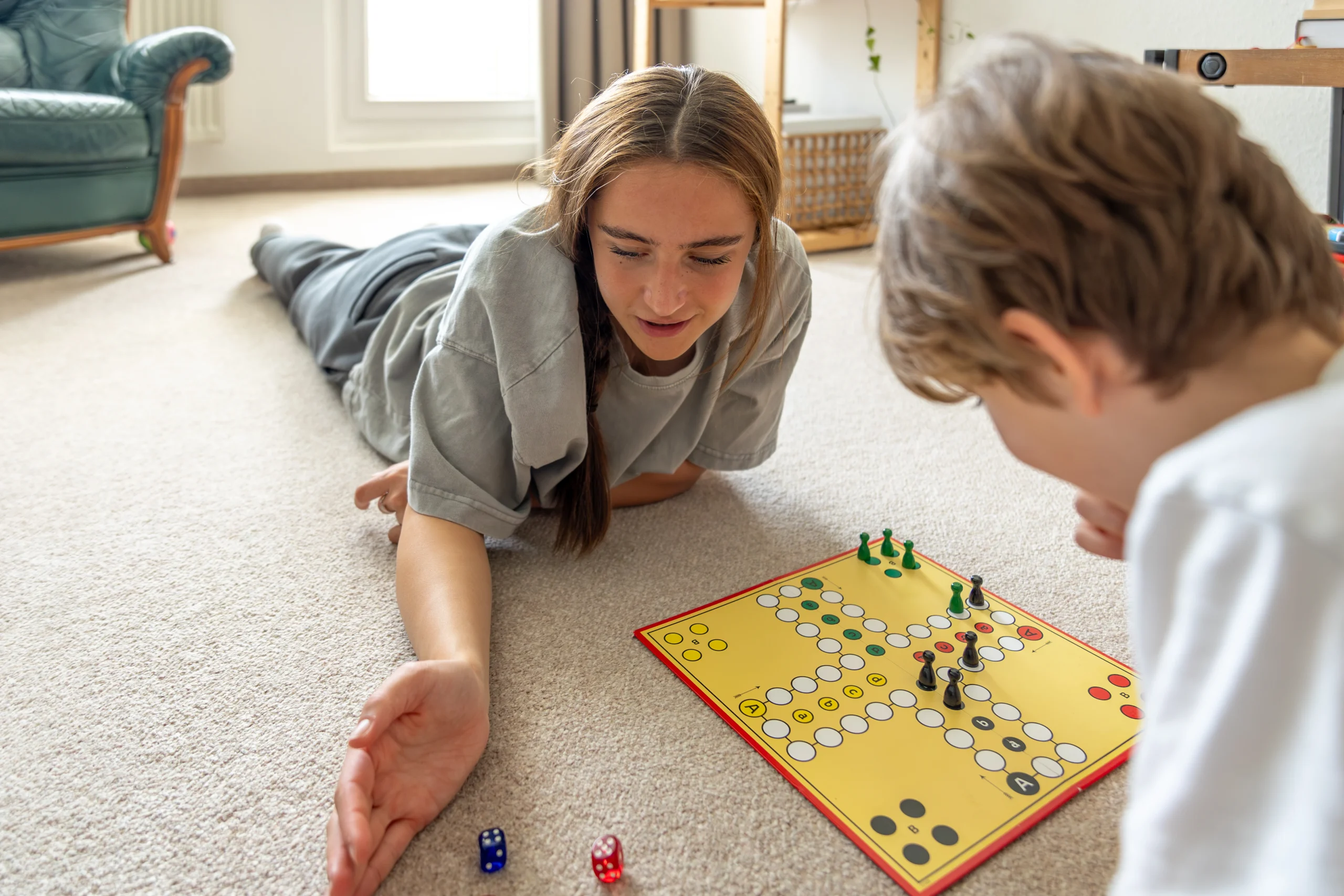
Fostering Resilience and Healthy Competition
Board games offer a safe environment for teens to navigate complex emotions like frustration and triumph.
Sportsmanship: Teens learn to handle defeat without becoming discouraged and how to celebrate a sibling’s victory.
Emotional Resilience: Learning to be a “good sport” is an essential life skill that develops through repeated, low-stakes play.
Let's find the right game for your family
So let’s get started, find those micro-connects, and set up a game. Read here on “How to Host a Fun Game Night” for tips on setting up a nice environment for family game night.
My recommendations for starting out are Flip 7 or any version of UNO, and our family loves Just One – a fun, cooperative family game. Or for a more beginner friendly strategic option, Splendor or Dragonwood are fabulous board games my teens love.
But there is so much more to choose from—keep exploring here.
- Best Family Games—ideal for the whole family
- Our choice of board games for kids who hate to lose.
- For creative families – Try Cranium or drawing games.
- Easy dice games for families
- Cooperative Games – Go from I to We – Great way to connect.
- Friends or Foes – Social Deduction Games
- Strategy Board Games
- Roll and Write Dice Games
- Fast paced card games – Have kids that like to be active? Check out these fast action card games.

Gina
Quick Board Games Writer
Gina is a dedicated parent and board gaming advocate who researches the importance of play and adolescent development. With a focus on screen-free connection, she helps families navigate easy ways to use board games and card games into family time.


